

Last Updated: September 2, 2026
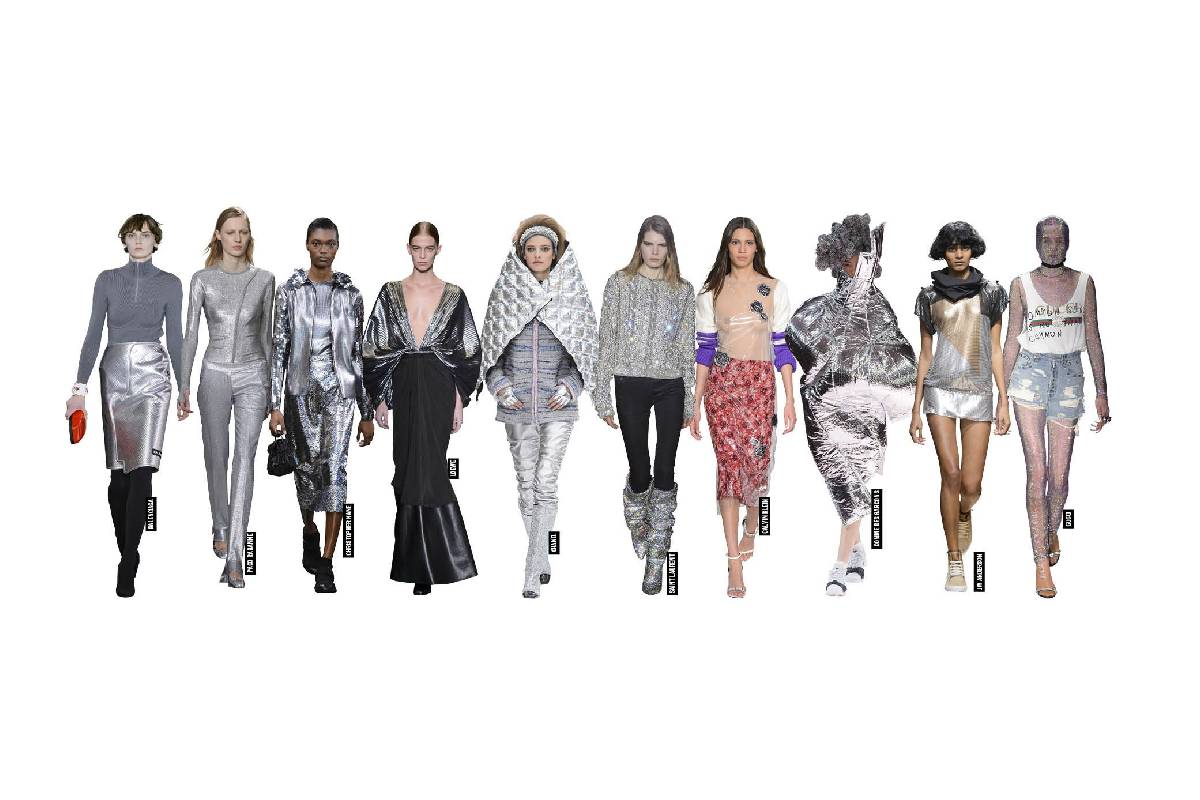
Futurism in fashion isn’t just about metallic fabrics and “space suits.” It’s a design philosophy that consistently reappears whenever society stands at the edge of technological change. If you understand that pattern, you understand where fashion is going next.
This Article Belongs to Fashion Trends
Table of Contents
What Is Futurism in Fashion?
Futurism in fashionity refers to clothing and design aesthetics inspired by the idea of the future—often expressed through innovation, speed, movement, technology, and unconventional materials.
Rooted in the early 20th-century Italian art movement known as Futurism, futurist fashion rejects nostalgia. It favors:
- Experimental silhouettes
- Synthetic or industrial materials
- Metallic or high-shine finish
- Technology integration
- Bold, unconventional shapes
At its core, futurism in fashion asks, “How should humans dress in a world transformed by machines, space travel, AI, and digital culture?”
For beginners, think space-inspired clothing, shiny fabrics, and structured silhouettes.
For professionals, futurism represents a cyclical aesthetic resurgence aligned with technological inflection points—from industrialization to the digital age.
History
The original futurist movement began in 1909 when Italian poet Filippo Tommaso Marinetti published the Futurist Manifesto. The movement celebrated speed, machinery, youth, and modernity.
Early 20th Century
- Designers experimented with dynamic prints and anti-traditional tailoring.
- Clothing was seen as an extension of industrial progress.
- 1960s Space Age Revival
- Space exploration redefined futurism in fashion.
- Designers began using plastics, PVC, and metallic textiles.
Late 20th Century to 2000s
- Cyberpunk and digital culture influenced silhouettes.
- Wearable tech and smart fabrics emerged.
- 2020s and Beyond
- Sustainability + technology = the new futurism.
- 3D printing, biofabrication, and AI-driven design lead the conversation.
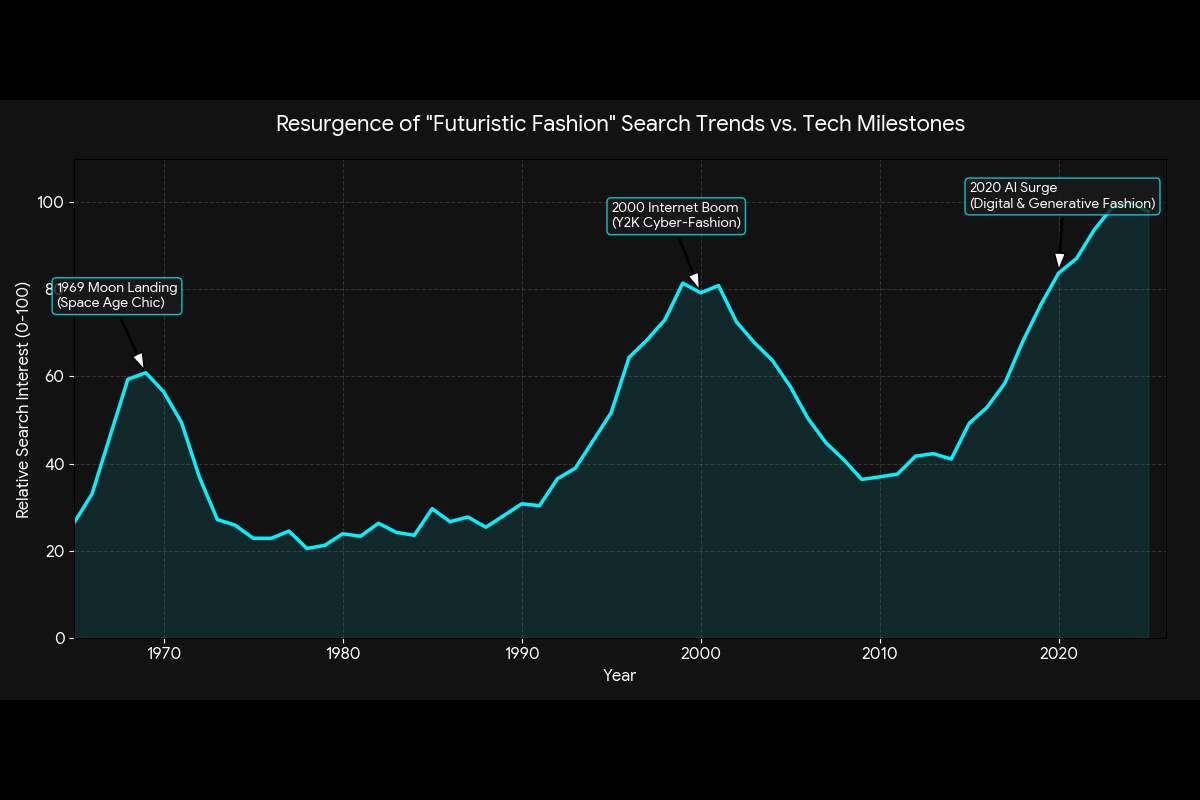
Futurism in viva fashion resurfaces during periods of technological optimism.
How the Futurist Movement Influenced Clothing Design
The original art movement prioritized movement, dynamism, and speed—concepts translated into fashion through:
- Angular tailoring
- Repetition patterns
- Mechanical-inspired construction
- Industrial materials
Futurist artists believed clothing should reflect modern life’s rhythm. This led to early experiments in an anti-neutral fashion—bold prints and disruptive design choices.
Key Designers Who Defined Futurism in Fashion
Several designers transformed futurist theory into wearable statements:
- Pierre Cardin – Known for geometric “Space Age” silhouettes.
- André Courrèges – Popularized white vinyl boots and mod-futuristic cuts.
- Paco Rabanne – Used metal discs and chainmail-style garments.
- Alexander McQueen – Brought theatrical futurism and digital innovation.
- Iris van Herpen – Pioneer of 3D-printed couture.
Iris van Herpen’s integration of parametric design and additive manufacturing marks a new era—where futurism shifts from aesthetic to engineered.
Futurism in Fashion During the 1960s Space Age
The 1960s were transformative due to the global fascination with space exploration—especially after the Apollo 11 mission.
- Design reflected:
- Clean white color palettes
- Helmet-like headwear
- PVC mini dresses
- Go-go boots
- Structured A-line silhouettes
Fashion mirrored the optimism of technological expansion.
The Role of Technology in Futuristic Fashion
Technology defines each era’s futurism:
| Era | Technology Influence | Fashion Impact |
| 1920s | Industrialization | Structured tailoring |
| 1960s | Space race | PVC, metallics |
| 2000s | Digital revolution | Cyber aesthetics |
| 2020s | AI & bio-tech | Smart fabrics, 3D printing |
Today, futurism = functional innovation, not just visual experimentation.
Futuristic Fabrics and Materials Used in Fashion
| Material | Properties | Why It Feels Futuristic |
| Neoprene | Flexible, structured | Architectural silhouette |
| Mylar | Metallic shine | Space-blanket aesthetic |
| Bio-fabricated leather | Lab-grown | Sustainable innovation |
| 3D-printed polymers | Customizable | Engineered construction |
| Reflective textiles | Light-reactive | Cyber/tech feel |
Modern futurism now intersects heavily with material science.
Metallics, PVC, and Innovative Textiles in Futurism
| Textile | Era Popularized | Signature Effect |
| PVC | 1960s | Glossy, synthetic look |
| Aluminum mesh | 1960s | Armor-like structure |
| Holographic fabrics | 1990s | Digital illusion |
| Smart textiles | 2010s+ | Responsive clothing |
These materials symbolize rebellion against traditional natural fibers.
Silhouettes and Shapes in Futuristic Clothing
Futuristic silhouettes often include:
- Geometric cuts
- Sculptural shoulders
- Structured bodices
- Streamlined tailoring
- Exaggerated proportions
Architectural influence is central. Clothing becomes almost structural engineering.
Futurism in Haute Couture vs Ready-to-Wear
| Element | Haute Couture | Ready-to-Wear |
| Innovation Level | Experimental | Commercially adaptable |
| Materials | Custom-engineered | Modified synthetics |
| Wearability | Conceptual | Practical |
| Price Point | Ultra-luxury | Mid to high-tier |
Haute couture pushes futurism’s boundaries; ready-to-wear translates it for daily life.
The Influence of Space Exploration on Futuristic Fashion
The cultural impact of NASA reshaped global aesthetics.
Designers borrowed:
- Astronaut suit structures
- Silver reflective materials
- Functional pockets and harnesses
- Space became a design metaphor for progress.
Futurism in Fashion and Pop Culture
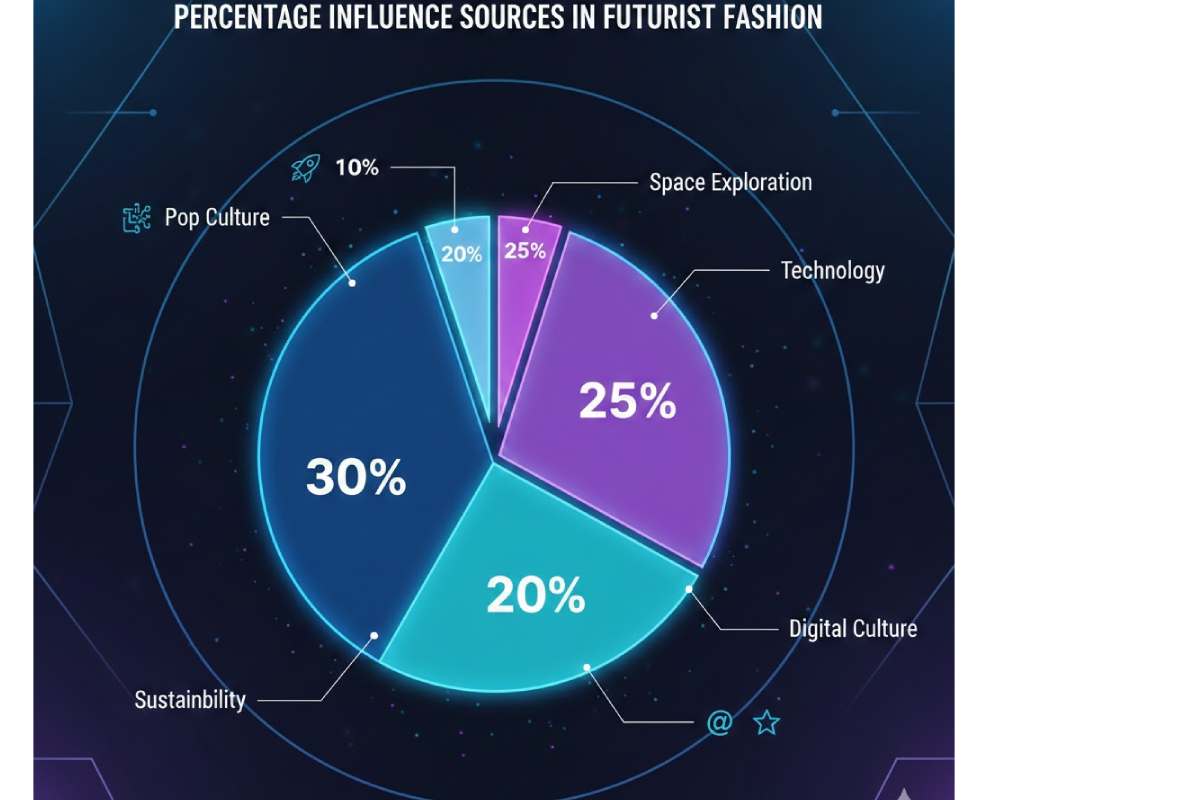
Pop culture amplifies futurism:
- Sci-fi films
- Music videos
- Celebrity red carpet statements
- Digital avatars
When mainstream culture embraces technology, fashion follows.
Futuristic Fashion in Movies and Media
Cinema has played a defining role in shaping futurist aesthetics:
- Blade Runner—Cyberpunk layering.
- The Fifth Element—Avant-garde silhouettes.
- Tron: Legacy—LED-inspired minimalism.
These films didn’t just predict fashion—they influenced runway collections.
Futurism in Sustainable and Smart Fashion
The new futurism isn’t about shine—it’s about systems.
Key innovations:
- Lab-grown textiles
- Circular production models
- Biodegradable synthetics
- AI-driven inventory reduction
Forward-thinking fashion now aligns innovation with environmental responsibility.
Wearable Technology and Fashion Innovation
Wearable tech has evolved beyond fitness trackers.
Examples include:
- LED-embedded dresses
- Temperature-regulating fabrics
- Health-monitoring garments
Designers like Iris van Herpen integrate technology at the couture level, merging biology and engineering.
Future-forward fashion is no longer hypothetical—it’s programmable.
Futurism in Streetwear and Everyday Style
Futurism isn’t limited to runways.
Streetwear adaptations include:
- Reflective sneakers
- Utility vests
- Oversized, tech-inspired jackets
- Monochrome metallic palettes
Brands integrate performance fabrics into everyday wear.
The aesthetic has shifted from costume-like to functional minimalism.
How to Style Futurism in Fashion Today
For beginners:
- Start with one metallic piece.
- Pair structured silhouettes with neutral basics.
- Add reflective accessories.
- Incorporate tech-inspired footwear.
For professionals:
- Experiment with modular layering.
- Blend bio-materials with classic tailoring.
- Use texture contrast to avoid costume effects.
- Futurism works best when balanced with restraint.
Futuristic Fashion Accessories and Footwear Trends
Trending elements:
- Sculptural sunglasses
- Chunky geometric heels
- Silver or chrome handbags
- Minimalist tech watches
- LED-accent sneakers
Accessories are the safest entry point into futurism.
Conclusion
Futurism in fashion is cyclical but never identical. It evolves with society’s relationship to technology.
From early 20th-century industrial optimism to 1960s space-age PVC to today’s AI-driven and sustainable innovations, futurism reflects our hopes—and anxieties—about what comes next.
The future of fashion won’t just look different. It will function differently.
Understanding futurism in fashion cents isn’t about predicting silver jumpsuits. It’s about recognizing how design responds to progress—and how today’s materials, tools, and digital systems are quietly reshaping what we wear.
The Federal Trade Commission’s online shopping guidance also recommends researching sellers and understanding the terms of a purchase before paying.