

Most people think fashion is expensive. It isn’t.
What’s expensive is **uninformed shopping** — buying trend-driven pieces that die in a season, ignoring fabric quality, chasing brand logos, and confusing price with value.
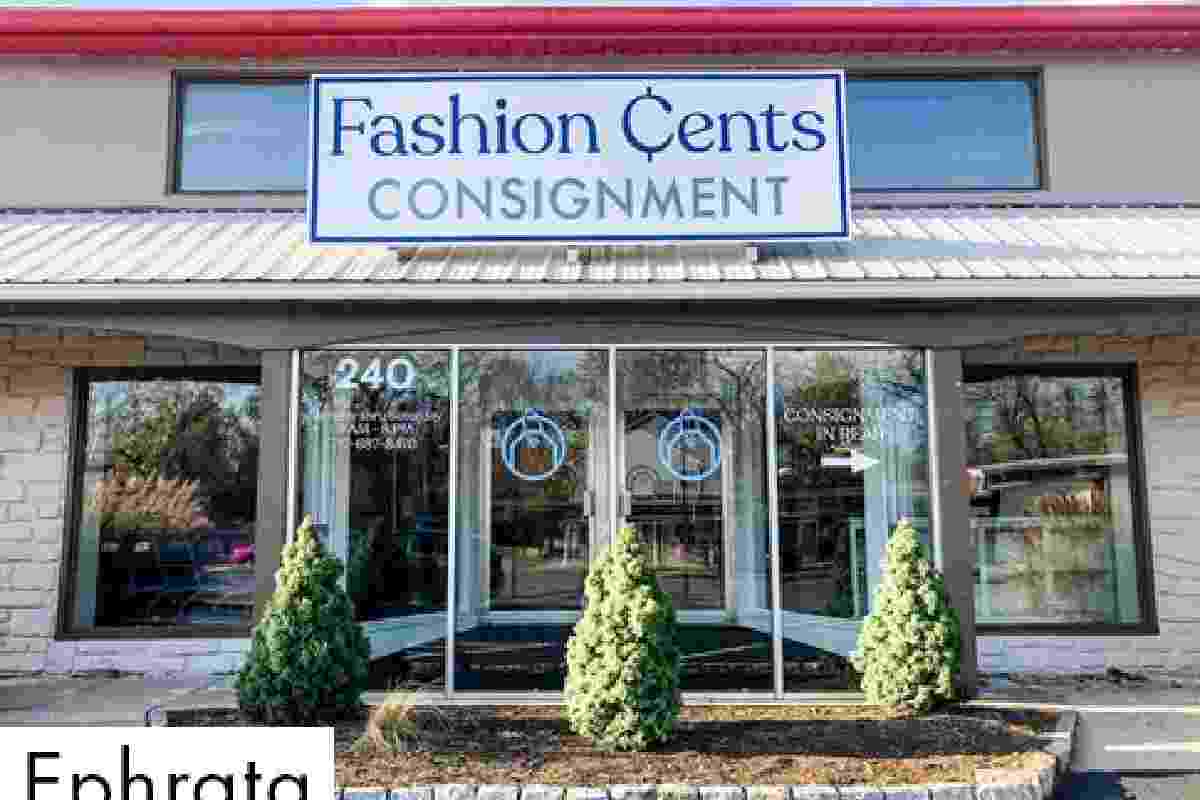
“Fashion Cents” isn’t just a clever phrase. It’s a financial strategy disguised as a style philosophy.
This guide breaks down how to look polished, intentional, and modern without draining your bank account — whether you’re a student, a young professional, or simply someone who wants smarter wardrobe decisions.
Table of Contents
What Does Fashion Cents Really Mean?
Fashion Cents = style + financial intelligence.
It’s the intersection of:
- Cost per wear analysis
- Wardrobe longevity
- Strategic shopping timing
- Quality over quantity
- Trend filtering
Instead of asking:
> “Is this cute?”
You ask:
> “How many times will I realistically wear this?”
For example, if you buy a $200 coat and wear it 100 times, that’s $2 per wear.
If you buy a $40 trendy jacket and wear it 4 times, that’s $10 per wear.
Fashion Cents is about understanding that cheap and affordable are not the same thing.
Why Fashion Cents Is About Style on a Budget
Style on a budget doesn’t mean looking “budget.”
Research in consumer psychology shows perceived attractiveness and professionalism are influenced more by fit, grooming, and coordination than brand labels.
A well-fitted $30 blazer can outperform a poorly tailored $300 one.
The secret isn’t spending more.
It’s spending intentionally.
How to Look Expensive Without Spending a Fortune
Looking expensive is about signals — not logos.
1. Prioritize Fit
Tailoring a $50 garment can make it look custom-made.
2. Choose Structured Pieces
Blazers, trench coats, button-down shirts — structured silhouettes read polished.
3. Stick to Neutral Foundations
Black, navy, camel, gray, white — these elevate instantly.
4. Avoid Overly Trendy Details
Heavy distressing, loud prints, extreme cuts age quickly.
5. Fabric Matters
Cotton, wool blends, linen, and structured synthetics look refined compared to thin polyester.
Smart Shopping Tips to Save Money on Clothes:
Fashion Cents is 50% psychology.
The 48-Hour Rule:
Wait two days before buying non-essential items.
Cost-Per-Wear Calculation
Divide price by expected wears.
Shop Off-Season
Buy coats in spring. Swimsuits in fall.
Know Retail Cycles
Major discounts happen:
- End of seasons
- Black Friday
- Post-holiday clearance
- Mid-year sales
How to Build a Stylish Wardrobe on a Budget
Start with foundations:
Core Essentials:
- Neutral T-shirts
- Dark jeans
- Tailored trousers
- Classic sneakers
- Structured jacket
- Versatile dress or shirt
Build slowly. A cohesive wardrobe beats a crowded one.
Affordable Fashion Brands That Actually Look Good
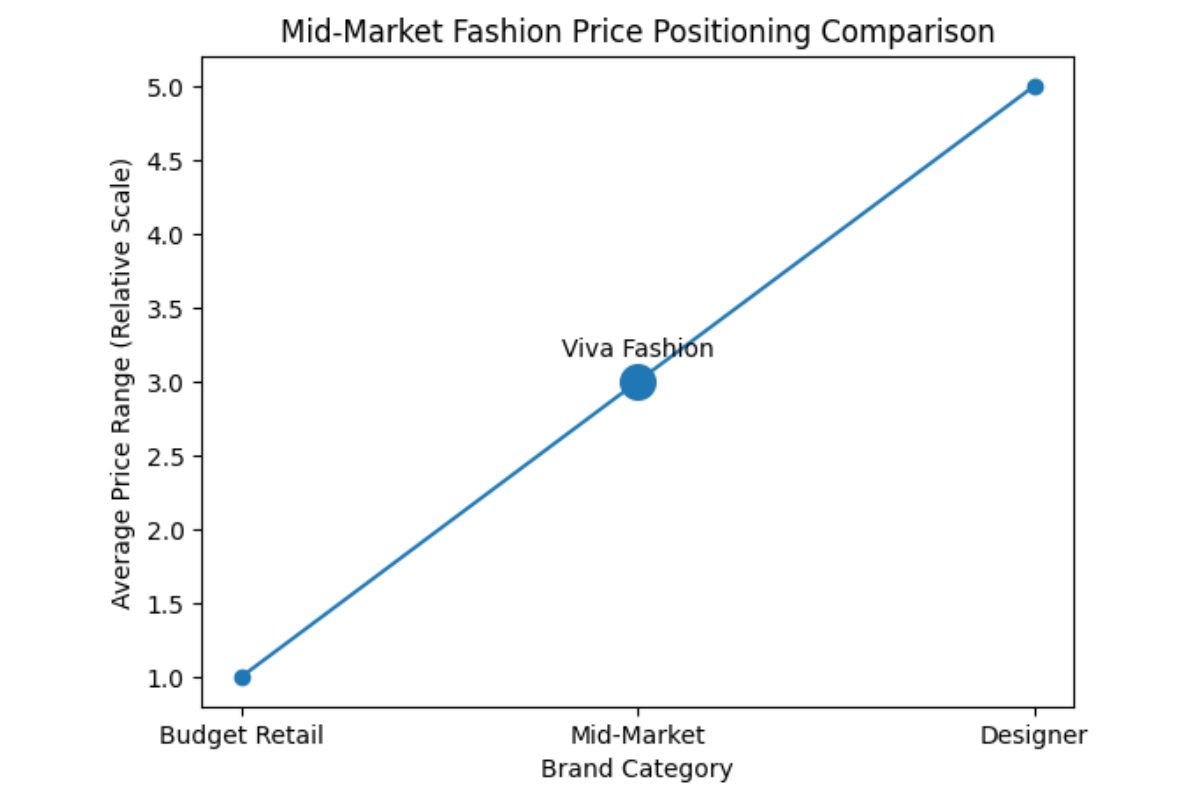
Affordable doesn’t mean low quality. Some brands balance price and design well.
Examples:
- Uniqlo – Known for minimal basics and durable fabrics.
- Zara – Trend-forward, better for selective statement pieces.
- H&M – Wide range; quality varies by collection.
- Mango – Polished silhouettes at mid-range pricing.
- Everlane – Transparent pricing model.
- COS – Elevated minimalist designs.
The key: Don’t shop brands. Shop pieces.
Thrift Shopping and Secondhand Fashion: Is It Worth It?
Yes — if you understand what to look for.
Secondhand platforms like ThredUp and Depop make resale accessible.
Benefits:
- Higher-quality brands for less
- Sustainable impact
- Unique finds
Risks:
- Inconsistent sizing
- Limited return options
- Time investment
Pro tip: Focus on timeless fabrics (wool coats, denim, leather bags).
How to Mix High-End and Low-Cost Pieces Like a Pro
This is called “high-low dressing.”
Example formula:
- Affordable basics
- One elevated anchor piece (coat, bag, shoes)
A neutral outfit + one quality accessory creates balance.
Luxury doesn’t need to dominate — it just needs to anchor.
Fashion Cents for Different Seasons: Saving All Year Round
Seasonal spending spikes happen because people shop reactively.
Plan ahead:
- Winter boots in late February
- Linen in September clearance
- Holiday outfits after New Year’s
Think one season ahead.
Common Fashion Spending Mistakes to Avoid
- Buying only on emotion
- Ignoring tailoring
- Chasing every trend
- Overbuying sale items
- Not tracking wardrobe gaps
How to Find Discounts, Sales, and Hidden Deals
Strategies professionals use:
- Sign up for first-time buyer codes
- Use cashback extensions
- Track price history
- Compare across platforms
- Shop outlet sections carefully
Price anchoring is real — retailers inflate MSRP to make discounts appear larger.
Be analytical.
Fashion Cents for Men vs Women: Is There a Difference?
Yes — mostly in volume and trend cycles.
Women’s fashion:
- Faster trend turnover
- Greater SKU volume
- More impulse marketing
Men’s fashion:
- Slower cycles
- Stronger emphasis on staples
However, both benefit equally from:
- Cost-per-wear thinking
- Fit prioritization
- Fabric quality focus
Accessories That Instantly Upgrade Any Outfit
High-impact, low-cost upgrades:
- Structured handbag
- Minimalist watch
- Leather belt
- Simple gold/silver jewelry
- Clean white sneakers
Accessories often have the highest style ROI.
Fashion Cents for Students and Young Professionals
If your income is limited:
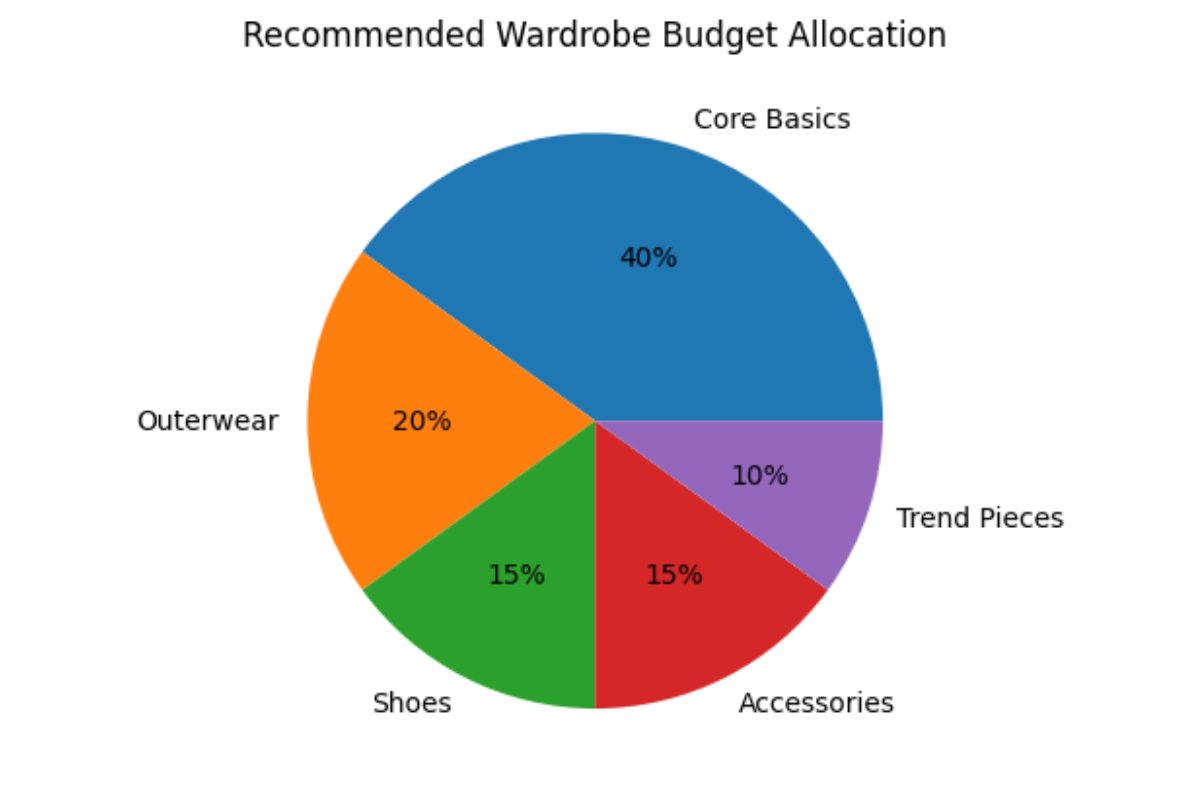
Priority hierarchy:
- One great pair of shoes
- One structured jacket
- Well-fitted basics
- Grooming
- Accessories
Professional perception is influenced more by neatness and cohesion than brand labels.
Online vs In-Store Shopping: Where Do You Save More?
Online:
- Easier price comparison
- More discount codes
- Cashback tools
In-store:
- Immediate fit assessment
- Avoid return shipping fees
- Less impulse scrolling
Hybrid strategy wins:
Research online → Try in-store → Buy strategically.
How to Take Care of Your Clothes So They Last Longer
Maintenance = hidden wealth strategy.
- Wash less frequently
- Use cold water
- Air dry
- Store properly
- Repair small tears early
Doubling garment lifespan cuts wardrobe costs dramatically.
Final Thoughts: Looking Stylish Without Breaking the Bank
Fashion Cents isn’t about restriction.
It’s about control.
When you:
- Understand cost per wear
- Shop intentionally
- Prioritize fit and structure
- Build slowly
- Maintain properly
You stop chasing fashion — and start owning your style.
Looking expensive isn’t about income.
It’s about strategy.
And strategy always beats impulse.