

Last Updated: September 3, 2026
Hormonal imbalance is not a diagnosis; it is an indicator that something may be affecting the normal function of your endocrine system. Hormones work together through complex feedback systems, and changes in one area can influence other parts of the body.
The direct answer is:
A state of hormonal imbalance occurs when hormone levels or signaling fall outside the expected range for your situation. Possible causes include metabolic problems, chronic stress, thyroid disorders, reproductive conditions, medications, and other medical conditions.
The answer is not simply to “balance” hormones. Instead, it is important to identify which hormonal system may be affected and why.
This Article Belongs to Women’s Wellness
Table of Contents
What Does “Hormonal Imbalance” Mean?
Your endocrine system works through interconnected feedback loops, including:
- HPA axis – stress regulation
- HPT axis – thyroid regulation
- HPG axis – reproductive hormone regulation
Think of these systems as interconnected control mechanisms. Changes in one system can influence others. For example, prolonged stress can affect reproductive hormone signaling, while insulin resistance can influence ovarian androgen production in some women.
Hormones don’t work as isolated biological switches. They participate in coordinated physiological networks, which is why there isn’t a universal “single hormone fix.”
For more information about hormones and the endocrine system, see the Endocrine Society’s patient resources.
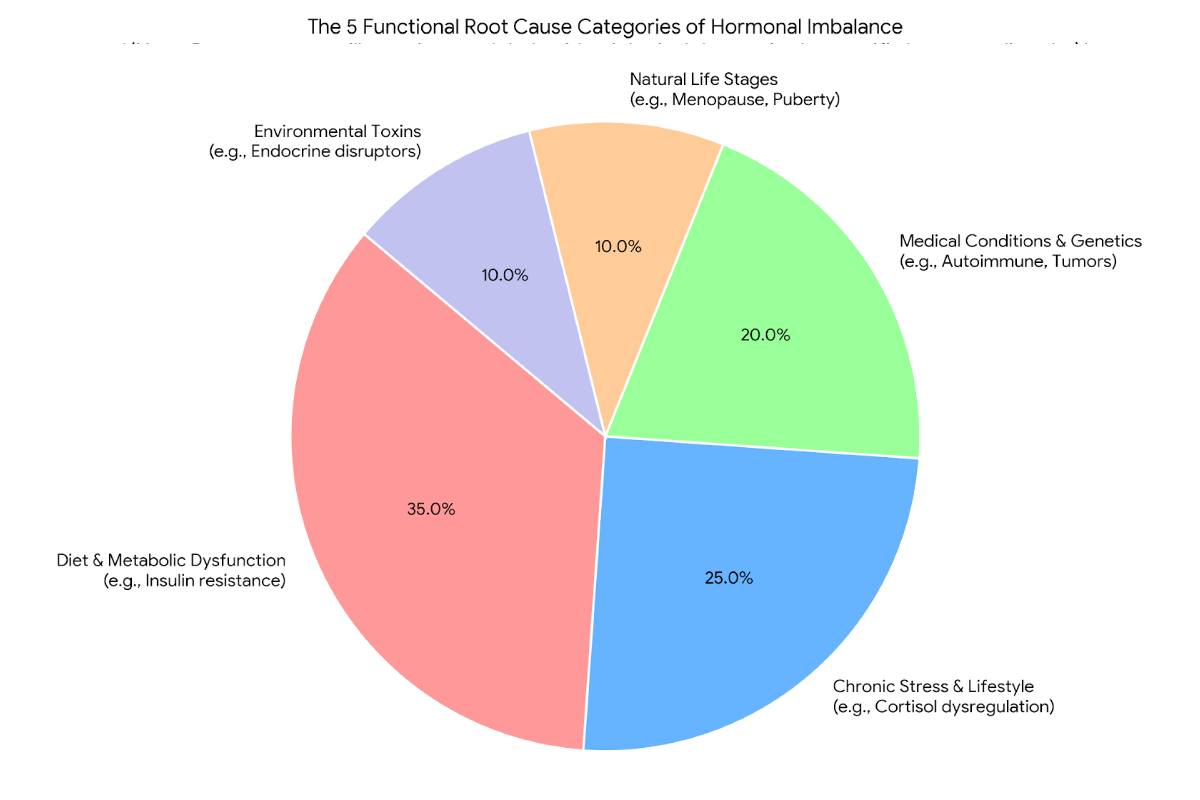
The 5 Root Cause Categories found Worldwide
-
1. Metabolic Factors
Insulin resistance is common and can affect the way the body processes glucose and regulates metabolism.
When insulin levels remain elevated, metabolic changes can occur, including increased fat storage and, in some women with conditions such as PCOS, increased ovarian androgen production.
Common associated patterns may include:
- Increased abdominal fat
- Sugar cravings
- Energy fluctuations
- Irregular menstrual cycles
- Difficulty losing weight
These symptoms alone do not establish insulin resistance or a hormonal disorder. Proper assessment requires clinical evaluation and, when appropriate, laboratory testing.
2. Stress Axis
Cortisol is an essential hormone involved in the body’s response to stress. However, prolonged psychological or physiological stress can affect sleep, appetite, energy levels, and reproductive hormone signaling.
A common pattern may include:
- Poor sleep
- Feeling constantly stressed
- Fatigue
- Changes in appetite
- Anxiety or irritability
- Changes in body weight
Stress management should therefore be considered an important part of overall hormonal and metabolic health.
If you’re interested in exploring an herbal approach to stress management, you can also read our guide to ashwagandha benefits for female health. However, supplements are not a substitute for diagnosing or treating an underlying endocrine disorder.
3. Thyroid Disorders
The thyroid gland produces hormones that influence metabolism, energy use, temperature regulation, and numerous other processes.
Hypothyroidism may be associated with:
- Fatigue
- Cold intolerance
- Constipation
- Dry skin
- Hair thinning
- Weight gain
Hyperthyroidism may be associated with:
- Heat intolerance
- Palpitations
- Anxiety
- Increased sweating
- Tremors
- Unintentional weight loss
Thyroid symptoms can overlap with many other conditions, so blood testing and medical assessment are often necessary.
4. Reproductive Axis Disruption
Reproductive hormones can change because of several conditions and life stages, including:
- Polycystic ovary syndrome (PCOS)
- Perimenopause
- Menopause
- Hypothalamic amenorrhea
- Pregnancy
- Certain medications
Menstrual changes can have many different causes. A delayed or missed period should not automatically be assumed to result from a “hormonal imbalance.”
For information specifically related to delayed menstruation, see our guide on what to do if your period is delayed.
5. Structural or Tumor-Related Causes
Less common but important causes can include conditions affecting hormone-producing glands, such as:
- Pituitary adenomas
- Hyperprolactinemia
- Adrenal disorders
- Other endocrine tumors
Potential warning signs can include:
- New or persistent vision changes
- Severe or unusual headaches
- Unexpected nipple discharge
- Rapid unexplained physical changes
These symptoms require appropriate medical evaluation rather than self-treatment.
Pathological vs. Functional Hormonal Changes
Category Functional/Lifestyle-Related Factors Pathological/Medical Causes Possible causes Stress, sleep disruption, nutrition, inactivity Autoimmune disease, gland disorders, tumors Onset Often gradual Can be gradual or sudden Treatment Lifestyle changes may help May require medical treatment Reversibility Depends on the underlying cause Depends on the specific condition It is important to remember that not every hormonal problem is caused by lifestyle. Medical conditions can occur even in people with healthy diets, regular exercise, and adequate sleep.
Symptoms of Hormonal Changes
Rather than trying to diagnose yourself from individual symptoms, look for patterns and discuss persistent changes with a healthcare professional.
Pattern Possible Association Abdominal weight gain, metabolic changes, fatigue Insulin resistance or metabolic dysfunction Cold intolerance and constipation Hypothyroidism Acne and irregular periods Possible androgen excess Sleep problems and persistent stress Stress-related changes These patterns are clues, not diagnoses.
How Is Hormonal Imbalance Diagnosed?
Diagnosis usually begins with a detailed medical history and physical examination. Depending on your symptoms, a healthcare professional may recommend targeted laboratory testing.
Possible tests can include:
- TSH
- Free T4
- Blood glucose or HbA1c
- Lipid testing
- Testosterone or other reproductive hormones when clinically indicated
- Prolactin
- Cortisol testing when appropriate
The exact tests depend on the symptoms and suspected condition.
Common Testing Mistakes
Some common problems include:
- Testing reproductive hormones without considering menstrual-cycle timing
- Interpreting cortisol without considering the timing and type of test
- Relying exclusively on direct-to-consumer hormone panels
- Treating a laboratory result without considering symptoms and medical history
A laboratory result should be interpreted in its appropriate clinical context.
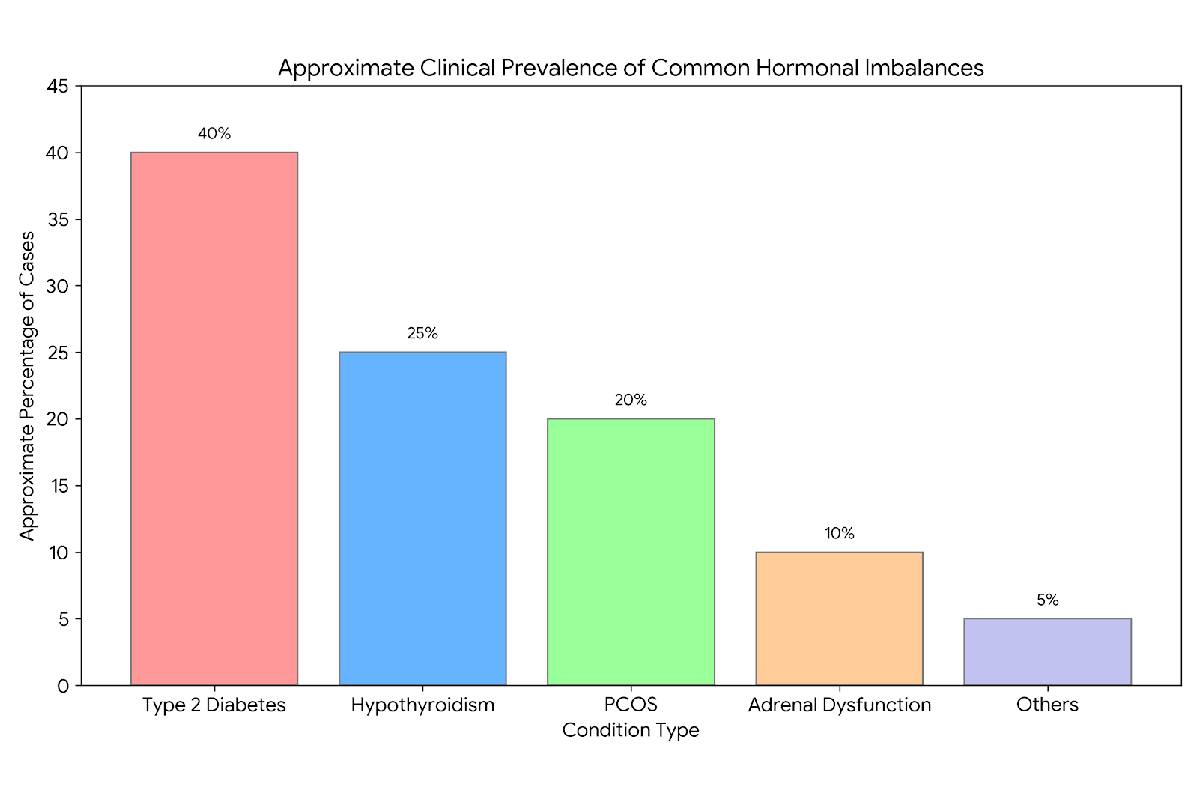
Evidence-Based Fixes by Root Cause
If Metabolic Dysfunction Is Involved
Helpful strategies may include:
- Resistance training
- Regular physical activity
- Adequate protein and fiber
- Maintaining a healthy body weight
- Consistent sleep
- Appropriate medical treatment when necessary
Some people may require medications such as metformin depending on their specific diagnosis and medical circumstances.
If Stress Is a Major Factor
Consider:
- Prioritizing regular sleep
- Moderate physical activity
- Stress-management techniques
- Cognitive behavioral therapy when appropriate
- Avoiding excessive training without adequate recovery
Reducing stress does not “reset” every hormone, but improving sleep and stress management can support overall health.
If a Thyroid Disorder Is Diagnosed
Treatment depends on whether the thyroid is underactive or overactive.
For hypothyroidism, medications such as levothyroxine may be prescribed. Regular monitoring helps ensure treatment is appropriate.
Avoid relying on unregulated “thyroid support” supplements without medical guidance.
If Menopause Is Involved
Menopause and perimenopause naturally involve significant hormonal changes.
Treatment depends on the individual’s symptoms, medical history, age, and risk factors. For some appropriate candidates, menopausal hormone therapy can be an effective treatment for certain symptoms.
A healthcare professional can help determine whether hormone therapy is appropriate.
Lifestyle vs. Medication vs. Combination Treatment
| Approach | Potential Benefits | Considerations |
|---|---|---|
| Lifestyle changes | Supports metabolic and overall health | Results may take time |
| Medication | Can directly treat specific disorders | Requires appropriate diagnosis and monitoring |
| Combination | Addresses medical and lifestyle factors together | Requires individualized planning |
There is no universal treatment for “hormonal imbalance.” Treatment should be based on the underlying condition.
When Should You See a Doctor?
Speak with a healthcare professional if you experience persistent or unexplained symptoms such as:
- Repeatedly irregular or absent periods
- Rapid unexplained weight changes
- Persistent severe fatigue
- New vision changes or unusual headaches
- Significant hair loss
- Unexplained nipple discharge
- Purple stretch marks combined with muscle weakness
- Persistent palpitations or unexplained changes in heart rate
Seek urgent medical attention for severe or rapidly worsening symptoms.
Avoid Self-Prescribing Hormones
Hormones are powerful biological messengers, and taking hormone medications without an appropriate diagnosis can carry risks.
Avoid purchasing hormones or hormone-related medications from unverified sources simply because you believe your hormones are “imbalanced.”
Likewise, be cautious about online programs that promise to “reset,” “detox,” or “balance” all of your hormones using one supplement or protocol.
The appropriate treatment depends on the underlying cause.
The Real Takeaway
Hormonal changes are not always mysterious, and they are not always caused by lifestyle.
Possible contributors include:
- Metabolic dysfunction
- Chronic stress
- Thyroid disorders
- Reproductive conditions
- Normal reproductive transitions
- Medications
- Less common structural or endocrine disorders
The most effective approach is to identify the system involved, understand the underlying cause, and choose treatment based on evidence and professional evaluation.
Instead of simply chasing the idea of “hormonal balance,” focus on understanding which hormones or endocrine systems are affected and why.
The goal isn’t to balance every hormone. The goal is to identify and appropriately address the underlying problem.