


Last Updated: September 10, 2026
Sleep during pregnancy can be challenging. Newborns are known to keep people awake at odd hours with nightly feeds, but sleepless nights can begin long before the baby arrives.
Understanding how to sleep better during pregnancy isn’t just crucial for your energy and mood. According to sleep disorder specialists, pregnant women who experience poor sleep may have a higher risk of certain pregnancy complications. Learning which sleep disturbances are common during pregnancy and how to improve your sleep can help you get better rest.
This Article Belongs to Pregnancy Health.
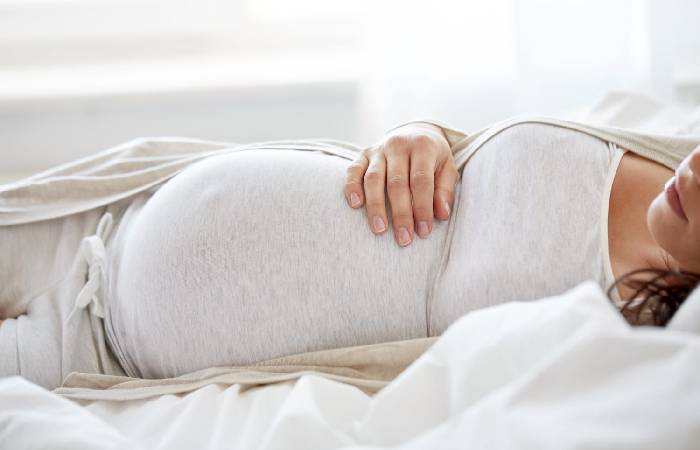
Sleep Per Trimester
First Trimester: Women need significant sleep while the placenta grows. Don’t be surprised if you are generally sleepier; you may need to go to bed earlier and take naps. At this point, you can best give in to that urge and get the rest your body needs.
If you’re taking a pregnancy test because you suspect you may be pregnant, you can also learn more about pregnancy tests and when to take them.
Second Trimester: Your amount of sleep may normalize to the amount you needed before your pregnancy. But, as the baby and abdomen grow, things such as getting up to go to the bathroom may begin to affect sleep.
Third Trimester: Fatigue can come from poor-quality sleep. Women tend to have lower-quality sleep due to factors such as:
- Back pain
- Baby kicks
- Leg cramps
- More frequent urination
- Substantial weight gain
- Engorgement associated with late pregnancy
As pregnancy progresses, these physical changes can make finding a comfortable sleeping position more difficult. You can learn more about pregnancy changes during this stage in our guide to seven months of pregnancy.
Nine Tips for Better Sleep
While women can’t avoid many of the things that limit sleep during pregnancy, there are ways to get more and better rest:
- Develop a relaxing bedtime routine.
- Keep a regular time for going to bed and waking up.
- Avoid electronic devices for at least an hour before bed. If that’s not possible, reduce the screen brightness and avoid bright light.
- Limit caffeine in your diet.
- Relieve stress with yoga, mindful meditation, or massage therapy.
- Sleep on your side. You may need a maternity pillow to support your back and knees.
- Limit breathing problems by elevating your head when you sleep.
- Stay well hydrated to help reduce leg cramps.
- Ensure your sleep environment is well regulated in temperature, or invest in muslin blankets and sheets both for mother and child to help the body remain cool through the night.
For additional evidence-based information about pregnancy health and sleep, the American College of Obstetricians and Gynecologists (ACOG) provides resources and guidance for patients and healthcare professionals.
Sleep Disorders During Pregnancy
Sleep disorders can appear or worsen during pregnancy. A person may not have these conditions before pregnancy and can develop them in any trimester, especially late in pregnancy. Sleep problems during pregnancy are not inevitable. They can and should be discussed with a healthcare professional when they are persistent or interfere with daily life.
Restless legs syndrome: A woman with restless legs syndrome (RLS) can get worse during pregnancy, and the condition may also appear for the first time. Once RLS occurs, it may recur in subsequent pregnancies. Symptoms often improve after delivery.
Sleep apnea: Sleep apnea can be particularly concerning during pregnancy.
Research has associated sleep apnea during pregnancy with adverse maternal and fetal outcomes. The extent of the problem is still being studied. Sleep apnea has also been associated with conditions such as:
- Gestational diabetes
- Preeclampsia or pregnancy-induced hypertension
If you continue to have trouble getting enough sleep, talk to your doctor or another qualified healthcare professional. They can help identify the cause and offer appropriate advice for overcoming persistent sleep problems.
Getting adequate rest is an important part of maintaining your health throughout pregnancy, but significant or sudden sleep problems should not be ignored. Your healthcare provider can help determine whether an underlying condition is contributing to your symptoms.