Last Updated: September 1, 2026
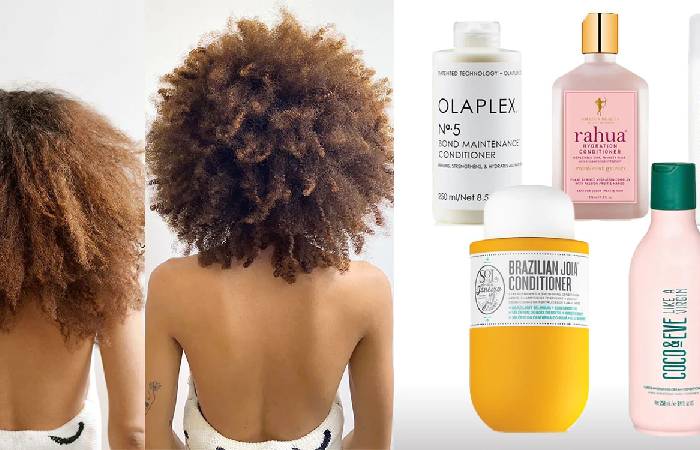
Achieving soft, silky, and healthy-looking hair takes time, especially when you’re trying to repair damage caused by heat styling, chemical treatments, coloring, or environmental factors. A well-rounded hair-care routine may include shampoo, conditioner, hair masks, and nourishing oils.
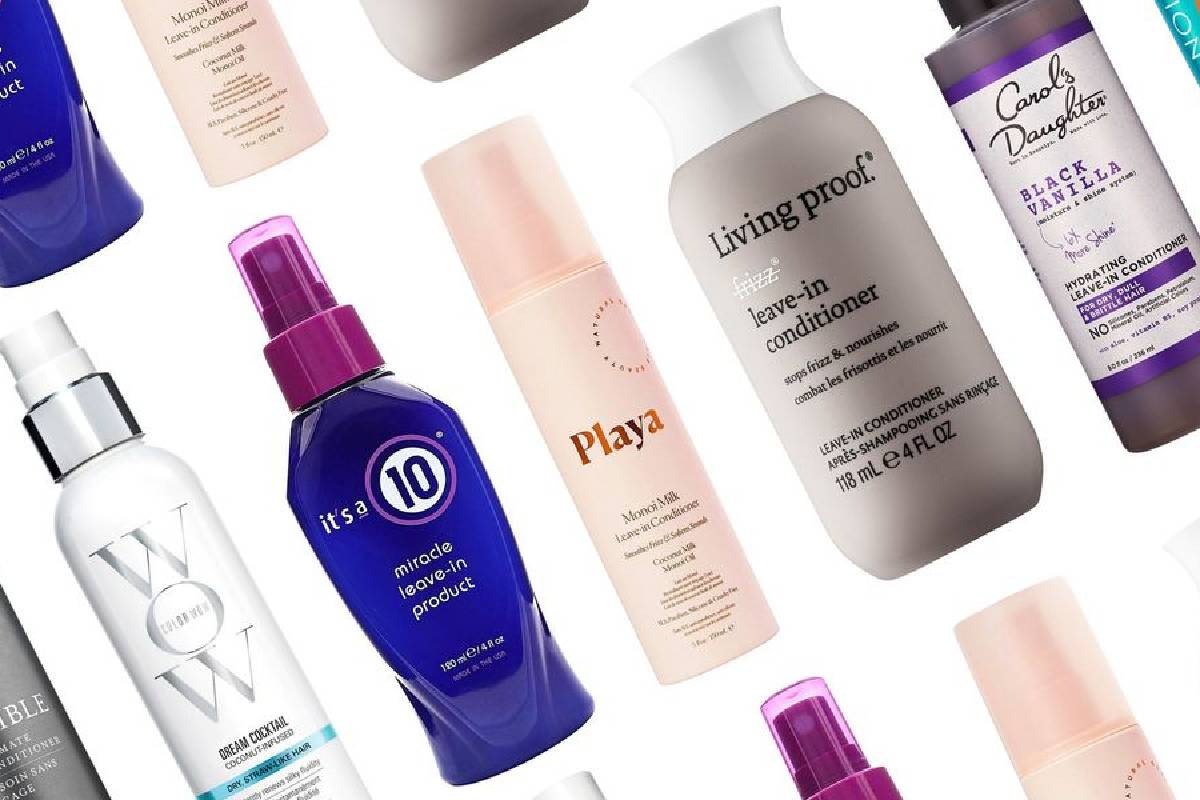
If you frequently use styling tools, choosing the right conditioner can help keep your hair feeling soft, manageable, and hydrated. While shampoo is primarily used to cleanse the scalp and remove excess oil and buildup, conditioner helps improve the hair’s softness, smoothness, and manageability.
Your hair type and specific concerns should also influence your choice. Colored, dry, fine, curly, and textured hair may require different types of conditioning products.
This Article Belongs to Hair Products & Salons
Table of Contents
How to Choose the Right Conditioner?

Before adding a conditioner to your shopping cart, consider your hair type and what you want the product to accomplish.
A good conditioner should address your hair’s specific needs. For example, someone with dry or damaged hair may benefit from a richer moisturizing formula, while someone with fine hair may prefer a lightweight conditioner that does not leave the hair feeling heavy.
Your hair goals may include:
- Improving softness and manageability
- Reducing tangles
- Adding moisture
- Protecting colored hair
- Improving the appearance of dry or damaged hair
- Enhancing curls and texture
- Reducing frizz
The ingredients can also make a difference. Depending on your hair’s needs, you may come across ingredients such as hyaluronic acid, hydrolyzed proteins, vitamins, jojoba oil, rosemary oil, caffeine, shea butter, and argan oil.
Always check the ingredient list and consider how your hair responds to different formulas.
If you’re interested in exploring different hair products and styling options, you can also read about MYLK Hair, a human-hair product designed for versatility and manageability.
How to Apply the Hair Conditioners?

Applying conditioner correctly is just as important as choosing the right product.
After shampooing, gently remove excess water from your hair. Apply conditioner primarily to the mid-lengths and ends, where the hair is often more prone to dryness and damage.
Follow these steps:
- Apply an appropriate amount of conditioner to your hair.
- Start at the ends and work toward the mid-lengths.
- Avoid applying regular conditioner directly to the scalp unless the product is specifically formulated for scalp use.
- Gently distribute the conditioner through the hair with your fingers.
- Use a wide-tooth comb if necessary to help distribute the product and remove tangles.
- Leave the conditioner on for the amount of time recommended on the product label.
- Rinse thoroughly with lukewarm or cool water.
The right application should leave your hair feeling softer, smoother, and easier to comb.
If you use styling products after conditioning, make sure you choose products appropriate for your hair type. Big Poppa Gel is another example of a styling product that can be explored when creating different hairstyles.
For additional professional information about caring for your hair, the American Academy of Dermatology Association provides guidance on hair and scalp care, including recommendations for maintaining healthy hair. American Academy of Dermatology Association – Hair Care
What is the difference between a Deep Conditioner and a Hair Mask?
With so many hair-care products available, it can be difficult to understand the difference between regular conditioners, deep conditioners, and hair masks.
A regular conditioner is generally designed for routine use after shampooing. It helps improve softness, detangling, smoothness, and manageability.
A deep conditioner is typically a more concentrated treatment intended to provide additional conditioning and moisture. It may be particularly useful for hair that feels very dry, rough, or damaged.
A hair mask can also provide intensive conditioning, although its ingredients, formulation, and intended use vary from product to product.
Regular Conditioner
Regular conditioner is commonly used after shampooing. It helps make hair easier to comb and can improve its overall softness and appearance.
Deep Conditioner
Deep conditioners are generally formulated as more intensive treatments. They may be useful for dry or chemically treated hair that needs additional conditioning.
Hair Mask
Hair masks are treatment products that can be used periodically as part of a hair-care routine. Depending on the formula, they may focus on hydration, strengthening, smoothing, or improving the appearance of damaged hair.
The best option depends on your hair’s condition and the instructions provided by the manufacturer.
Hair Conditioners and Different Hair Types
There is no single conditioner that works perfectly for everyone. Your hair texture, thickness, porosity, and level of damage can all affect which formula works best.
Dry Hair
Dry hair may benefit from richer moisturizing conditioners containing ingredients designed to improve softness and reduce the appearance of dryness.
Fine Hair
Fine hair can become weighed down easily, so lightweight conditioners may be a better choice.
Curly or Textured Hair
Curly and textured hair often benefits from products that support moisture and manageability while helping reduce tangling and frizz.
Colored Hair
If your hair is colored, look for products specifically designed for color-treated hair and follow a gentle hair-care routine to help maintain its appearance.
Damaged Hair
Hair damaged by frequent heat styling, chemical treatments, or coloring may benefit from conditioning treatments designed to improve softness and manageability.
For people who regularly experiment with different hairstyles, Dream Weaver Hair provides another resource related to hair styling and care.
Hair Care Beyond Conditioner
Conditioner is only one part of a complete hair-care routine. Regular washing, gentle detangling, appropriate styling techniques, and limiting excessive heat can all contribute to healthier-looking hair.
It’s also important to avoid unnecessary friction when drying your hair. Instead of aggressively rubbing wet hair with a towel, gently squeeze or pat away excess moisture.
People who regularly visit salons can also benefit from professional advice based on their individual hair type and condition. The Hair Hut is another hair-related resource covering professional hair services and styling.
Final Thoughts
Choosing the right hair conditioner starts with understanding your hair type and identifying your specific hair-care goals. A suitable conditioner can improve softness, smoothness, detangling, and manageability while complementing the rest of your hair-care routine.
Use conditioner according to the product’s instructions and focus on the areas of your hair that need the most moisture and care. If your hair is particularly dry, damaged, chemically treated, or difficult to manage, consider incorporating a deep-conditioning treatment when appropriate.
With consistent care and the right products, you can maintain softer, smoother, and more manageable hair while reducing unnecessary damage from styling and environmental factors.