

Last Updated: August 31, 2026
Table of Contents
What is a Primer for Acne Prone Skin
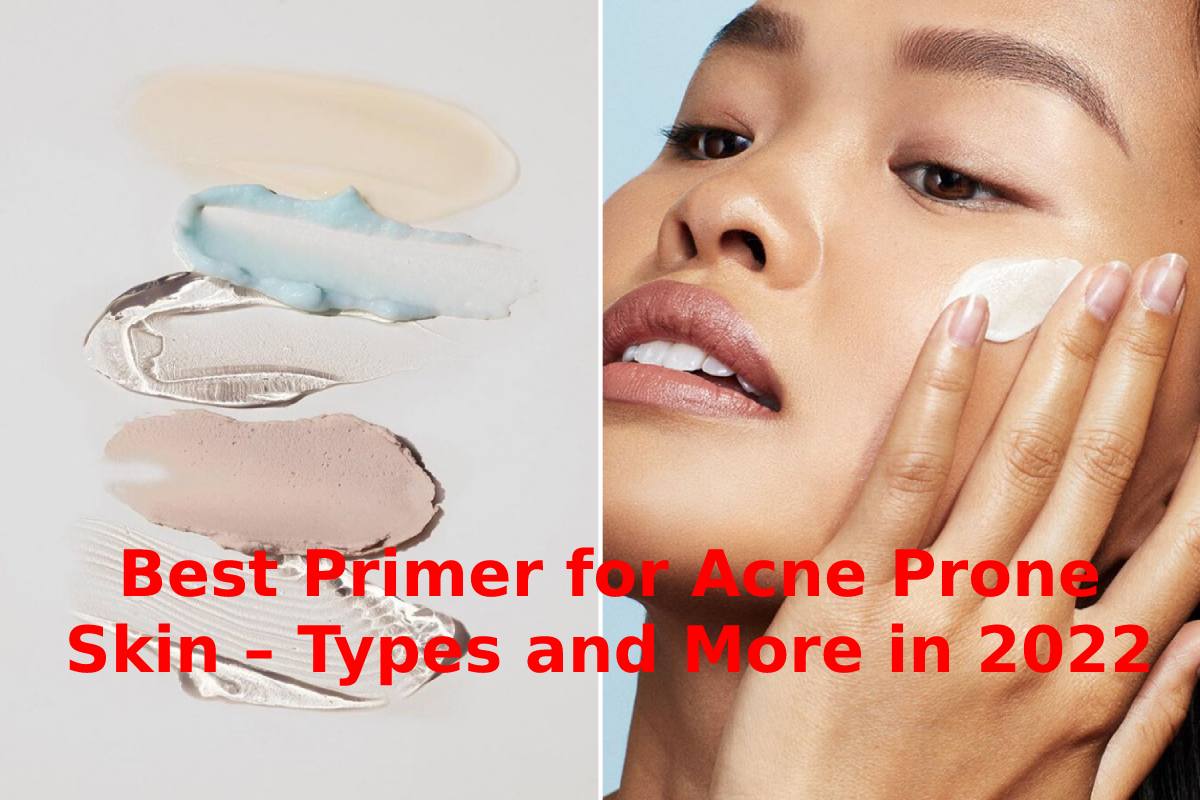
A primer is the first step in makeup that prepares your skin for foundation. For acne-prone skin, a primer is specially designed to protect pores, control oil, and reduce breakouts.
Unlike regular primers, acne-safe primers are non-comedogenic, lightweight, and often include skin-friendly ingredients that help calm irritation.
This artical belongs to Makeup & Nails.
Overview of Primers for Acne Prone Skin
| Feature | Detailed Explanation | Why It Matters | Result on Skin |
|---|---|---|---|
| Non-Comedogenic | Does not clog pores | Prevents acne | Clearer skin |
| Oil Control | Absorbs excess sebum | Reduces shine | Matte finish |
| Lightweight Texture | Feels breathable | Avoids irritation | Comfortable wear |
| Pore Blurring | Smoothens texture | Better makeup look | Even skin tone |
| Soothing Agents | Calms inflammation | Reduces redness | Healthier skin |
Why Acne-Prone Skin Needs a Special Primer
Using the wrong primer can worsen acne. A suitable primer:
- Protects skin from makeup chemicals
- Prevents pores from getting clogged
- Controls excess oil production
- Improves makeup finish without harming skin
A good primer works like a shield between your skin and makeup.
Types of Primers for Acne Prone Skin
| Type | Description | Best For | Key Benefit |
|---|---|---|---|
| Mattifying Primer | Controls oil production | Oily acne skin | Shine-free look |
| Hydrating Primer | Adds moisture | Dry acne skin | Prevents dryness |
| Pore-Filling Primer | Smooths large pores | Textured skin | Even base |
| Color-Correcting Primer | Neutralizes redness | Inflamed acne | Balanced tone |
| Gel-Based Primer | Lightweight formula | Sensitive skin | Non-greasy |
Key Ingredients to Look For
| Ingredient | Function | Benefit for Acne |
|---|---|---|
| Salicylic Acid | Cleans pores | Reduces acne |
| Niacinamide | Controls oil | Reduces redness |
| Tea Tree Oil | Antibacterial | Fights pimples |
| Zinc | Oil regulation | Soothes skin |
| Aloe Vera | Hydration | Calms irritation |
Ingredients to Avoid
| Ingredient | Reason to Avoid | Effect |
|---|---|---|
| Heavy Oils | Clog pores | Causes breakouts |
| Artificial Fragrance | Irritates skin | Triggers acne |
| Alcohol (High %) | Dries skin | Increases oil later |
| Thick Silicones | Blocks pores | Acne risk |
Best Primers for Acne Prone Skin (Top Picks)
Comparison of Best Primers
| Product | Skin Type | Key Feature | Price Range | Best For |
|---|---|---|---|---|
| Maybelline Fit Me Matte + Poreless Primer | Oily | Oil control | Budget | Daily use |
| NYX Shine Killer Primer | Oily | Matte finish | Mid | Shine control |
| e.l.f. Acne Fighting Putty Primer | Acne skin | Acne treatment | Budget | Breakouts |
| Smashbox Oil Control Primer | Oily | Long wear | Premium | Professionals |
| The Ordinary Silicone Primer | All | Smooth base | Mid | Texture |
| Colorbar Perfect Match Primer | Combo | Even tone | Mid | Indian skin |
Brands, Companies & Pricing (Detailed Analysis)
Top Brands for Acne-Safe Primers
| Brand | Country | Specialty | Skin Focus | Price Level | Unique Strength |
|---|---|---|---|---|---|
| Maybelline | USA | Affordable makeup | Oily/acne | Budget | Reliable results |
| e.l.f. Cosmetics | USA | Clean beauty | Sensitive/acne | Budget–Mid | Lightweight formulas |
| Benefit Cosmetics | USA | Pore-minimizing | Large pores | Premium | Smooth finish |
| Innisfree | South Korea | Natural skincare | Oily/acne | Mid | Sebum control |
| SUGAR Cosmetics | India | Trendy makeup | Acne-prone | Mid | Indian skin fit |
| Clinique | USA | Dermatologist brand | Sensitive | Premium | Allergy-tested |
| Smashbox | USA | Studio makeup | Oily/acne | Premium | Long-lasting |
Pricing Breakdown
| Price Range | Quality Level | Skin Safety | Ideal Users | Example Brands |
|---|---|---|---|---|
| ₹100–₹300 | Basic | Medium | Beginners | Local brands |
| ₹300–₹800 | Good | Medium–High | Students | Lakmé |
| ₹800–₹1500 | High | High | Regular users | Maybelline, SUGAR |
| ₹1500–₹3000 | Premium | Very High | Professionals | Benefit, Innisfree |
| ₹3000+ | Luxury | Dermatological | Experts | Clinique |
Dermatologist & Skin Specialist Recommendations
American Academy of Dermatology’s official page
Experts suggest choosing primers with:
- Oil-free formulas
- Non-comedogenic labels
- Acne-fighting ingredients
- Lightweight gel texture
These features help protect skin while enhancing makeup performance.
How to Choose the Best Primer (Expert Guide)
- Oily acne → Mattifying primer
- Dry acne → Hydrating primer
- Red acne → Color-correcting primer
- Sensitive skin → Fragrance-free products
Always test products before full use.
How to Apply Primer Correctly
- Clean your face
- Apply moisturizer
- Take a small amount of primer
- Blend gently
- Focus on oily areas
Using too much product can clog pores.
Benefits of Using Primer for Acne Skin
- Reduces breakouts
- Improves makeup finish
- Controls oil
- Protects pores
- Enhances confidence
Common Mistakes to Avoid
- Using heavy products
- Skipping skincare
- Choosing wrong primer
- Applying too much
- Ignoring ingredients
Primer vs No Primer
| Feature | With Primer | Without Primer |
|---|---|---|
| Makeup Finish | Smooth | Uneven |
| Oil Control | High | Low |
| Acne Risk | Low | Higher |
| Longevity | Long | Short |
Future Trends in Acne-Friendly Primers
- Skincare-infused primers
- Clean and vegan products
- AI-based skin matching
- Dermatologist-backed formulas
Conclusion
Choosing the best primer for acne prone skin is essential for both healthy skin and flawless makeup. The right primer not only improves your look but also protects your skin from breakouts.
Invest in trusted brands, safe ingredients, and suitable formulas for the best results.
FAQs
Can primer reduce acne?
It doesn’t cure acne but helps prevent breakouts.
Which brand is best for acne skin?
Brands like Maybelline, e.l.f., and Clinique are reliable.
Is primer safe for daily use?
Yes, if it is non-comedogenic.
Can oily skin use primer?
Yes, mattifying primers are ideal.
Do dermatologists recommend primer?
Yes, if it suits your skin type.