

Last Updated: September 2, 2026
Hip hop fashion, also known as rap fashion, is a distinctive style of clothing that originated in urban Black America and among inner-city youth in New York City, Los Angeles, and other major U.S. cities. These communities contributed different elements to the overall style that has influenced fashion around the world.
Over the years, hip hop fashion has evolved from a subculture connected to music and street communities into a major influence on mainstream fashion. From sneakers and tracksuits to oversized clothing, designer labels, jewelry, and statement accessories, hip hop has continually changed the way people express themselves through clothing.
This Article Belongs to Women’s Fashion
Table of Contents
History
In the late 1970s, hip hop fashion began developing alongside the emerging hip hop music scene. Sportswear brands such as Le Coq Sportif, Kangol, Adidas, and Pro-Keds became associated with the culture and helped establish some of the earliest recognizable elements of hip hop style. According to the National Museum of African American History and Culture, fashion has been central to hip-hop identity, evolving from early streetwear into a major influence on mainstream fashion.
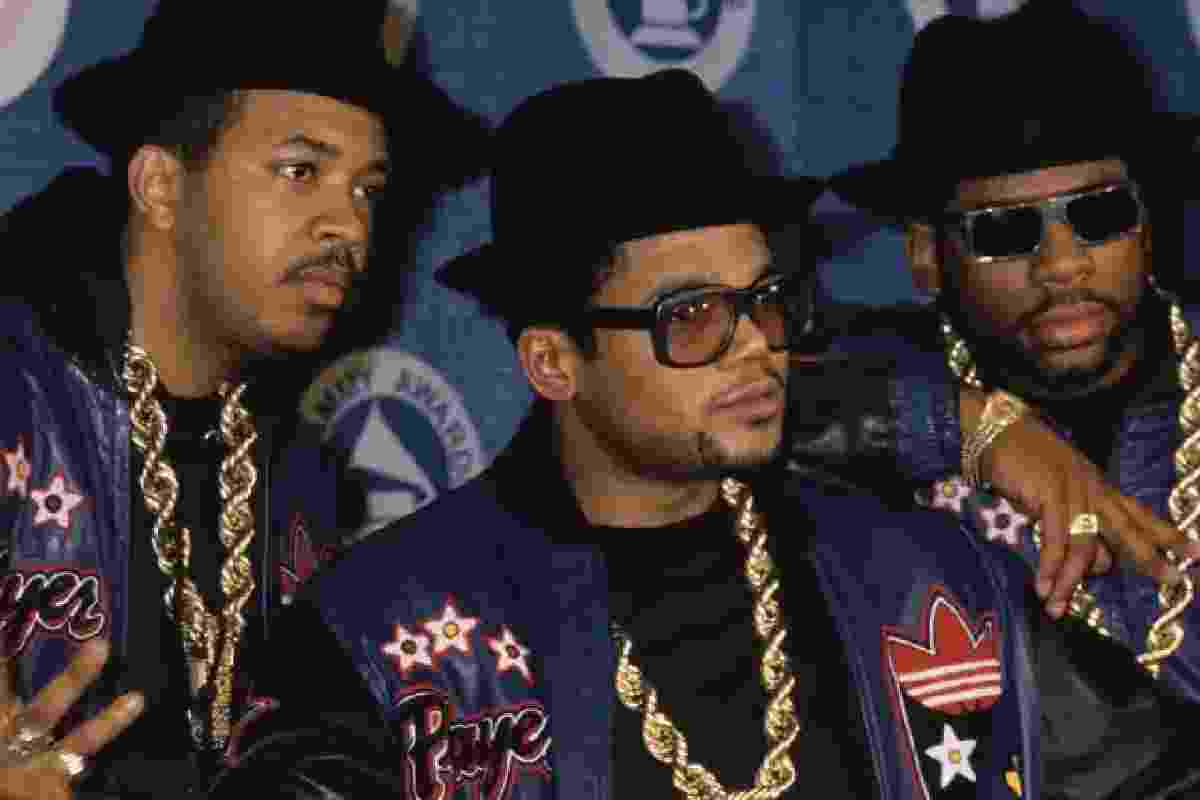
During the 1980s, hip hop fashion icons wore brightly colored designer tracksuits, leather and shearling jackets, bomber jackets, Clarks shoes, British walkers, and sneakers. Popular sneaker brands included Pro-Keds, Puma, Converse Chuck Taylor All-Stars, and Adidas Superstars, often worn with oversized or “big” laces.
Accessories were also an important part of the look. Large eyeglasses, Kangol bucket hats, nameplate necklaces, name belts, multiple rings, and chunky gold jewelry became popular among hip hop artists and their fans.
Men’s fashion often featured heavy gold chains and statement jewelry, while female artists frequently incorporated oversized earrings, bold necklaces, and other eye-catching accessories into their outfits.
Female rappers such as Roxanne Shanté and groups such as Salt-N-Pepa also helped popularize distinctive women’s hip hop fashion during this period. Their influence demonstrated that hip hop style was not limited to men’s clothing and helped establish a strong female presence within the fashion movement.
Hair also became an important element of hip hop style. Popular looks ranged from the Jheri curl of the early 1980s to the high-top fade that became particularly recognizable during the late 1980s and early 1990s. Artists and entertainers such as Will Smith and Christopher “Kid” Reid of Kid ‘n Play helped bring these hairstyles into mainstream attention.
Another important development in hip hop clothing came from designer Dapper Dan during the early 1980s. He became known for creating custom clothing inspired by luxury fashion houses and incorporating recognizable logos and patterns into tracksuits, jackets, coats, and other pieces.
As hip hop became more influential, its fashion moved beyond music and began affecting streetwear, luxury fashion, sportswear, and celebrity style. Some of these influences can still be seen today in modern curve-focused and celebrity-inspired clothing trends such as BBL fashion.
Preppy
Preppy looks appealed to young people during the 1980s and became part of the first major wave of hip hop’s influence on mainstream fashion.
Black youth and hip hop fans incorporated elements traditionally associated with preppy fashion, including Polo Ralph Lauren, Timberland, and Tommy Hilfiger. These brands became increasingly popular within the hip hop community because they represented a combination of casual style, quality, exclusivity, and ambition.
Tommy Hilfiger, in particular, developed a strong connection with hip hop culture. Artists began wearing the brand in music videos, public appearances, and performances, helping introduce its designs to a much wider audience.
The growing popularity of preppy-inspired clothing within hip hop demonstrated how the culture could take existing fashion styles and reinterpret them in a new way.
This influence also extended into retro-inspired fashion. Many elements of older American fashion have been reintroduced through modern trends, including styles associated with plus-size 70s fashion.
Urban Streetwear
Urban streetwear became one of the most recognizable developments in hip hop fashion during the 1990s. Tommy Hilfiger was one of the major sportswear brands associated with the period, while Polo Ralph Lauren, Calvin Klein, Nautica, and DKNY also became popular among hip hop audiences.
Celebrities and musicians played a major role in increasing the visibility of these brands. For example, Snoop Dogg famously wore a striped Tommy Hilfiger rugby shirt during an appearance on Saturday Night Live. The outfit reportedly generated significant interest in the brand and demonstrated the growing power of hip hop culture to influence consumer fashion.
Tommy Hilfiger’s popularity within the hip hop community was partly connected to the brand’s image. Its clean designs, bold logo, and recognizable color combinations could be incorporated into casual streetwear while still creating an aspirational appearance.
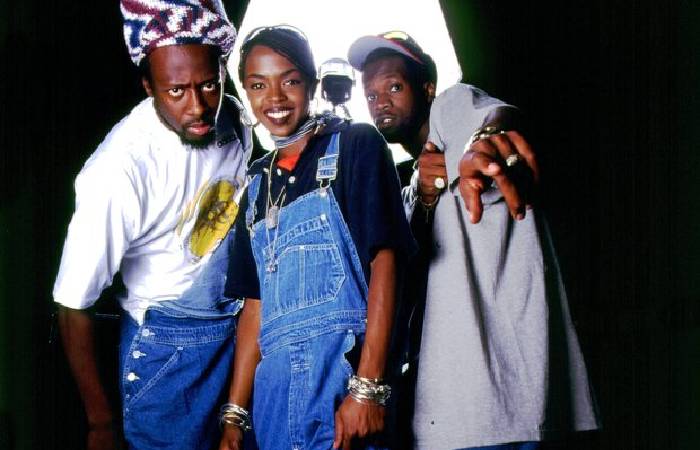
Women’s hip hop fashion also continued to develop during the 1990s. Artists such as TLC and Aaliyah incorporated elements of streetwear, fitted tops, oversized clothing, denim, and sporty pieces into their wardrobes. Their styles influenced a generation of women and helped broaden the definition of hip hop fashion.
Hip Hop Fashion and Modern Trends
Today, hip hop fashion is no longer limited to one particular style. Modern streetwear combines influences from music, sports, luxury fashion, social media, and celebrity culture.
Oversized hoodies, sneakers, cargo pants, graphic T-shirts, tracksuits, fitted dresses, denim, baseball caps, and statement jewelry can all be incorporated into contemporary hip hop-inspired outfits.
Social media has also changed the way people discover and purchase fashion. Trends can spread internationally within days, and consumers can find clothing for different occasions online.
For example, someone looking for an outfit for a concert, party, or night out may combine traditional streetwear pieces with a more glamorous aesthetic. Fashion Nova party dresses can be incorporated into a modern hip hop-inspired wardrobe when creating a bold look for parties and special occasions.
Shopping speed has also become increasingly important as fashion trends move quickly. When ordering an outfit online for an event, checking Fashion Nova Rush Shipping information can be useful for shoppers who need their clothing within a specific timeframe.
The Evolution of Hip Hop Fashion
One of the most interesting things about hip hop fashion is how constantly it has evolved. The styles of the late 1970s and 1980s were different from the oversized streetwear of the 1990s and the luxury-influenced fashion that became prominent in the 2000s and 2010s.
Today, designers and fashion brands continue to borrow ideas from hip hop culture while artists continue to experiment with new silhouettes, materials, colors, and accessories.
What started as a form of cultural expression within urban communities has become a global fashion influence. Hip hop fashion continues to provide people with a way to express individuality, confidence, creativity, and cultural identity.
Final Thoughts
Hip hop fashion has had an enormous influence on modern clothing and continues to evolve with each generation. From sneakers, tracksuits, and gold chains to designer clothing, streetwear, and contemporary celebrity styles, the movement has constantly reinvented itself.
Its influence can be seen across different areas of fashion, from casual streetwear to glamorous outfits and retro-inspired clothing. As new trends emerge, hip hop fashion will likely continue influencing how people dress, style themselves, and express their individuality.