

Last Updated: September 2, 2026
Fever in babies can make any parent anxious — and rightly so. It’s often the body’s natural way of fighting infection, but knowing what temperature is a fever for a baby and when to seek medical attention can make all the difference.
With modern tools like a baby monitor with camera, parents can keep a close watch on their child’s comfort, behavior, and sleep patterns while managing mild fevers at home. This guide breaks down what qualifies as a fever, how to measure temperature correctly, and what steps to take when your little one’s temperature rises.
This Article Belongs to Accessories
Table of Contents
The Definitive Number: The Official Temperature for a Baby Fever
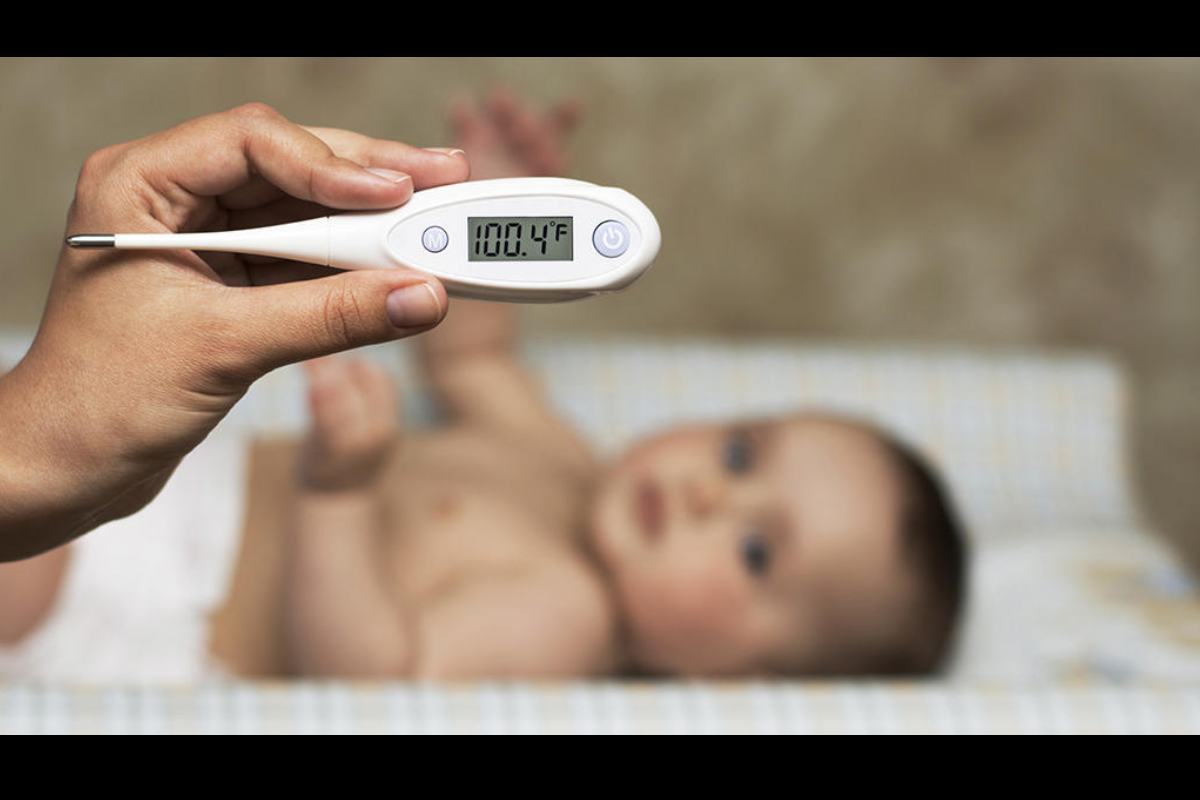
A fever in a baby is generally defined as a rectal temperature of 100.4°F (38°C) or higher. This threshold is widely used by pediatricians and organizations such as the American Academy of Pediatrics (AAP).
It’s important to note that fever itself isn’t an illness — it’s a symptom. It indicates the body’s immune system is responding to something, often an infection such as a cold, flu, ear infection, or virus.
In mild cases, fever can actually be a sign that the baby’s immune system is responding to an infection. The key is knowing when to monitor and when to act.
Parents who are researching pregnancy and early-childhood health may also find this guide on what is HCG useful for understanding the pregnancy hormone and its role during early pregnancy.
Age Is Everything: Why Fever Is More Critical in Newborns (Under 3 Months)
For babies under 3 months, any fever should be taken seriously. Babies this young have developing immune systems and are more susceptible to infections that can progress quickly.
- If your baby is under 3 months old and has a temperature of 100.4°F (38°C) or higher, contact your pediatrician or seek immediate medical attention.
- Even when a baby appears otherwise well, a fever at this age requires prompt medical evaluation.
As babies grow, their immune systems mature, and fevers are less likely to indicate a serious illness — but vigilance remains essential.
The Gold Standard: Why Rectal Temperature Is the Most Accurate Reading
When it comes to accuracy, rectal thermometers are considered the most reliable method for measuring a baby’s temperature, especially in young infants.
How to take a rectal temperature safely:
- Use a digital thermometer appropriate for rectal use.
- Apply a small amount of lubricant, such as petroleum jelly, to the tip.
- Gently insert it about ½ inch in babies younger than 6 months, without forcing it.
- Hold the baby still until the thermometer signals that the reading is complete.
- Clean and disinfect the thermometer after use.
- Label the thermometer for rectal use so it is not accidentally used in the mouth.
Though it may sound uncomfortable, rectal measurement provides the most accurate reading for young infants.
Comparing Methods: Rectal vs. Forehead, Ear, and Armpit Readings
While rectal thermometers offer excellent accuracy, other temperature-taking methods may be more convenient as your baby grows.
| Method | Typical Reliability | Best Age/Use |
|---|---|---|
| Rectal | Most accurate | Young infants |
| Forehead (Temporal) | Accurate when used correctly | All ages |
| Ear (Tympanic) | Accurate when used correctly | 6 months+ |
| Armpit (Axillary) | Least accurate | Quick screening |
The American Academy of Pediatrics notes that forehead thermometers can be used at any age, while ear thermometers are generally suitable from 6 months onward. Armpit readings can be useful for screening but are less accurate.
Forehead thermometers are increasingly popular because they are quick and non-invasive. However, direct sunlight, cold temperatures, sweat, and incorrect positioning can affect readings.
Normal Fluctuations: Understanding a Baby’s Changing Temperature Range
A baby’s body temperature naturally fluctuates throughout the day. Knowing what is normal helps parents interpret temperature readings accurately.
- Normal rectal temperature can vary depending on the time of day and other factors.
- A rectal temperature of 100.4°F (38°C) or higher is considered a fever.
- Temperature can also be influenced by activity, clothing, and environmental conditions.
Temperature may rise slightly after crying, activity, vaccination, or being overdressed. Always check for additional symptoms such as irritability, lethargy, poor feeding, or difficulty breathing rather than relying on the thermometer alone.
Using a baby monitor with camera lets you observe your baby’s cues — such as restlessness or changes in sleep behavior — even while they sleep.
If you’re preparing for a growing baby, you may also want to explore practical options such as 6–9 months old baby clothes when planning your baby’s wardrobe.
When to Call the Doctor: Critical Thresholds for Different Age Groups
Knowing when to seek medical help is just as important as recognizing a fever.
Under 3 months:
- Temperature ≥ 100.4°F (38°C) → Contact a doctor immediately.
- Young infants with fever require prompt medical evaluation.
3–6 months:
Rather than relying only on a specific temperature cutoff, consider your baby’s overall condition. Contact your pediatrician if your baby has a fever and appears unusually ill, is difficult to wake, is feeding poorly, has repeated vomiting, develops a concerning rash, or has other worrying symptoms.
6 months and older:
For older babies, the child’s behavior and accompanying symptoms are important. Seek medical advice if the fever is very high, persists, or your baby appears increasingly unwell.
Any fever accompanied by difficulty breathing, unresponsiveness, a seizure, severe dehydration, or a purple/bruise-like rash requires urgent medical attention.
Identifying Symptoms: Looking Beyond the Thermometer for Signs of Illness
While temperature readings are important, a baby’s overall behavior can provide valuable information about how sick they may be.
Watch for these warning signs:
- Persistent crying or extreme irritability.
- Trouble waking or unusual drowsiness.
- Poor feeding or repeated vomiting.
- Rapid or difficult breathing.
- Signs of dehydration, such as significantly fewer wet diapers.
- An unexplained rash, particularly one that looks purple or bruise-like.
Mild symptoms like slight fussiness, a runny nose, or temporary loss of appetite can accompany common viral infections. Keep your baby comfortable and continue offering breast milk or formula.
A baby monitor with camera can help parents observe changes in movement and sleep behavior overnight, but it should not replace checking your baby’s temperature or seeking medical care when warning signs appear.
Taking Action: Safe and Appropriate Ways to Manage a Baby’s Fever at Home
If your baby has a fever, focus on keeping them comfortable and hydrated while following your pediatrician’s advice.
Here’s how to support your baby at home:
- Ensure hydration – Offer breast milk or formula frequently to help prevent dehydration.
- Dress comfortably – Avoid excessive bundling or heavy layers.
- Keep the environment comfortable – Avoid overheating the room.
- Use fever reducers only as advised – Ask your pediatrician about the appropriate medication and dose for your baby’s age and weight. Babies under 3 months with a fever should be evaluated by a healthcare professional rather than treated at home without medical guidance.
- Offer comfort – Gentle cuddling and a calm environment can help your baby rest.
Avoid cold baths and alcohol rubs. If your baby’s condition worsens, they become unusually sleepy, have difficulty breathing, are not feeding properly, or show signs of dehydration, contact a healthcare professional promptly.
For parents interested in practical fashion and accessories for family life, you can also check out this guide to a brown leather hat.
Final Thoughts
Fever in babies is common, but it deserves careful attention — especially in the youngest infants. Knowing what temperature is a fever for a baby, how to measure it accurately, and when to seek help gives parents confidence to respond appropriately.
Remember: the thermometer is only part of the picture. Observing your baby’s overall behavior, breathing, feeding, and hydration is equally important. A baby monitor with camera can help you observe your baby while they sleep, but it should complement — not replace — proper temperature checks and medical care.
For reliable guidance on checking your baby’s temperature and recognizing when to contact a pediatrician, see the American Academy of Pediatrics’ HealthyChildren.org guide.