

Last Updated: September 8, 2026
Table of Contents
What Are Wreaths?
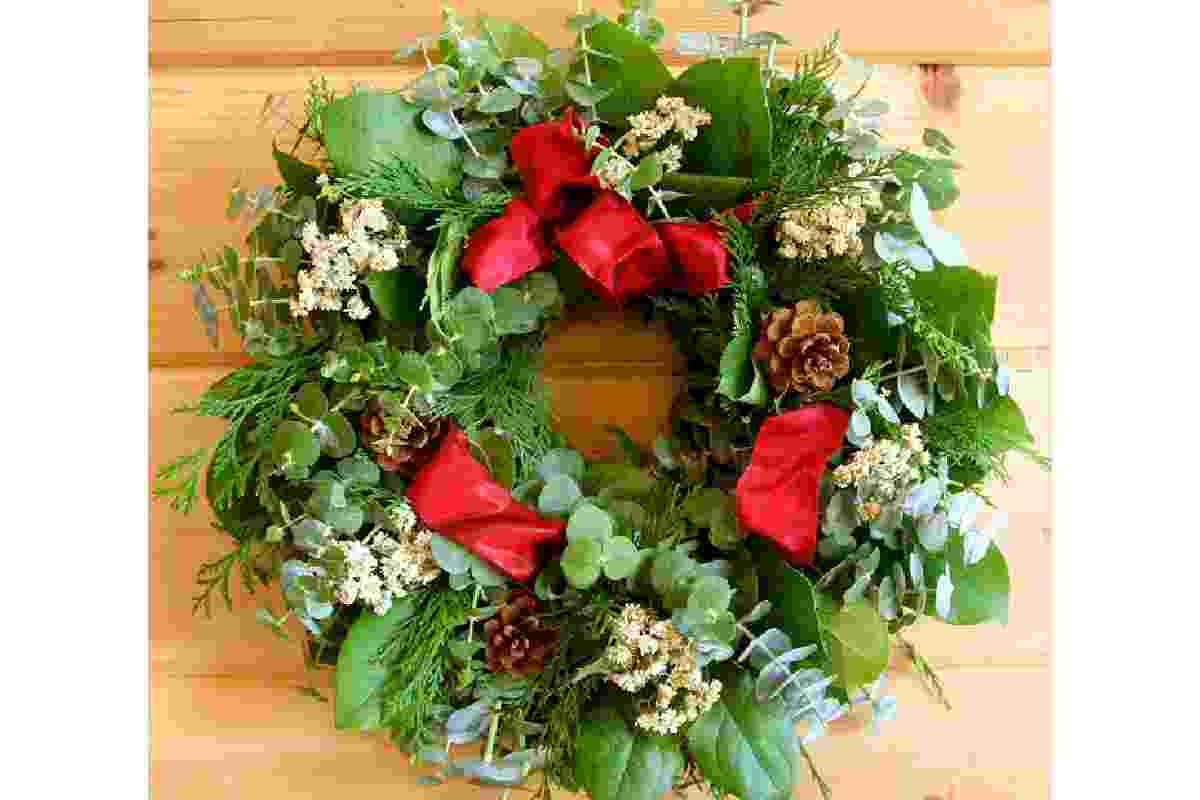
Wreaths are circular decorative arrangements made from greenery, flowers, twigs, fabric, wire, or synthetic materials. Their continuous circular shape is commonly associated with eternity, unity, continuity, and completeness.
Today, wreaths are used for far more than Christmas decorations. They can add colour and personality to a front door, complement a wedding or special event, serve as a memorial tribute, or provide seasonal decoration throughout the year.
Common uses for wreaths include:
- Christmas and holiday décor
- Weddings and special events
- Memorial tributes
- Seasonal home styling
- Commercial and business decorations
- Indoor wall and table décor
This Article Belongs to Healthy Lifestyle
Worldwide History of Wreaths
Wreaths have a long history across different cultures. Ancient Greeks and Romans used wreaths made from laurel, olive, flowers, and other plants as symbols of victory, honour, celebration, and status. Laurel wreaths, for example, were associated with victorious athletes and distinguished individuals.
Ancient Civilisations
In Ancient Greece, wreaths were awarded to winners of athletic competitions and were also associated with religious ceremonies and important social occasions. Roman leaders and victorious generals similarly used laurel wreaths as symbols of honour and achievement.
The symbolism of wreaths eventually expanded beyond victory. Their circular form became associated with continuity and eternity, while the plants used to make them could represent qualities such as strength, victory, remembrance, or enduring life.
Christian and European Traditions
Evergreen wreaths became particularly associated with winter and Christmas traditions in Europe. Because evergreen plants remain green during winter, they came to represent life and endurance during the coldest months.
The Advent wreath is another important Christian tradition. Its modern form is generally associated with German Lutheran traditions, with the practice developing into the candle wreath commonly used during Advent today.
For a broader historical overview of wreaths and their symbolism, see this Britannica-based history of wreaths.
Modern Era
Today, wreaths have become a popular decorative product available in countless styles, sizes, colours, and materials. Artificial foliage has made it possible to reuse wreaths for several years, while fresh and dried designs remain popular for people who prefer natural materials.
Wreaths are particularly popular in North America and Europe, while festive and home-decoration markets in other regions continue to expand.
Types of Wreaths
Different wreath styles are suited to different occasions, environments, and budgets.
| Type | Material | Common Use | Typical Lifespan |
|---|---|---|---|
| Christmas Wreath | Pine, fir, ornaments | Holiday décor | 3–4 weeks when fresh |
| Artificial Wreath | PVC, silk, synthetic foliage | Year-round décor | 3–10 years |
| Grapevine Wreath | Natural twigs | Rustic décor | 5+ years |
| Floral Wreath | Roses, lilies, other flowers | Weddings and funerals | 1–2 weeks |
| Dried Wreath | Pampas, eucalyptus, dried flowers | Modern home décor | 1–3 years |
Wreath Sizes and Specifications
The right wreath size depends largely on the location where it will be displayed.
| Diameter | Best For |
|---|---|
| 12 inches | Apartment doors and small spaces |
| 18 inches | Standard home doors |
| 24 inches | Large residential entrances |
| 30–48 inches | Commercial buildings and large entrances |
Before purchasing, measure the available space and consider whether the wreath will be displayed alone or alongside other decorations.
Common Base Materials
Wreaths can be constructed using several different bases, including:
- Wireframes
- Foam bases
- Grapevine bases
- Metal rings
- Rattan
- Straw
- Wood
The base affects the wreath’s weight, appearance, durability, and suitability for outdoor use.
Typical Weight Range
- Lightweight wreaths: 1–2 lbs
- Medium wreaths: 3–6 lbs
- Large commercial wreaths: 8–20+ lbs
Heavy wreaths may require stronger hooks or mounting hardware, especially when placed on exterior doors or commercial buildings.
Average Wreath Prices in 2026
Wreath prices vary significantly depending on size, materials, craftsmanship, brand, and whether the wreath is handmade or mass-produced.
| Type | USA ($) | UK (£) | India (₹ approx.) |
|---|---|---|---|
| Basic Artificial | $25–80 | £20–65 | ₹2,000–6,000 |
| Premium Artificial | $90–250 | £80–220 | ₹7,000–20,000 |
| Fresh Floral | $75–300 | £60–250 | ₹5,000–18,000 |
| Custom Wedding | $200–1,000+ | £180–900+ | ₹15,000–75,000 |
These are broad estimates rather than fixed market prices. Local availability, seasonal demand, imported materials, and customisation can cause prices to vary considerably.
Wreath Price Trends
The wreath market has changed as consumers have increasingly looked for reusable, realistic, and personalised decorations.
Demand has been particularly strong for:
- LED-lit wreaths
- Realistic artificial foliage
- Sustainable materials
- Handmade designs
- Personalised wreaths
- Seasonal and interchangeable decorations
Prices also tend to increase during the major holiday-shopping period, particularly in November and December. Buyers looking for bargains can often find discounted seasonal wreaths immediately after the holidays.
Wreaths and Home Décor
A wreath can be used as more than a Christmas decoration. A simple greenery wreath can complement a minimalist interior, while a colourful floral design can become a focal point in a room.
For homeowners interested in creating a warmer and more personal interior, wreaths can work particularly well alongside other decorative features. You can also explore ideas for creating a more welcoming home with home décor and heart-inspired styling ideas.
Wreaths can be displayed on:
- Front doors
- Interior doors
- Living-room walls
- Mantels
- Staircases
- Windows
- Dining tables
- Covered porches
- Business entrances
Wreaths With Flowers and Plants
Floral wreaths can bring a softer, more natural appearance to an interior. Dried flowers, eucalyptus, lavender, roses, and other botanical materials can be combined to create wreaths for different seasons.
If you enjoy incorporating plants into your home, wreaths can also be combined with other botanical décor. For more ideas, see this guide to indoor flowering plants.
When using natural flowers or foliage, remember that their lifespan depends on temperature, humidity, sunlight, and the type of plant material used.
Wreaths for Seasonal Decorating
One of the advantages of wreaths is their versatility. You do not need to reserve them exclusively for Christmas.
Spring
Spring wreaths often feature:
- Tulips
- Daisies
- Pastel flowers
- Green foliage
- Ribbons
Summer
Summer designs may include:
- Bright flowers
- Sunflowers
- Tropical foliage
- Coastal decorations
- Lightweight greenery
Autumn
Autumn wreaths commonly use:
- Dried leaves
- Pinecones
- Berries
- Wheat
- Orange and brown flowers
Winter and Christmas
Traditional winter wreaths often feature:
- Pine
- Fir
- Holly
- Pinecones
- Red berries
- Ribbons
- Ornaments
- LED lights
Wreaths and Painted Ceilings
Wreaths are generally associated with doors and walls, but they can also contribute to a larger interior-design scheme.
If you are coordinating seasonal decorations with your home’s architectural features, colour is especially important. A wreath can echo colours used elsewhere in the room, including wall treatments and ceilings. For additional inspiration, explore these painted ceiling ideas.
For example, a room with a muted ceiling may work well with a wreath featuring neutral foliage, while a bold painted ceiling can provide an opportunity to introduce complementary colours through flowers or ribbons.
Fresh vs Artificial Wreaths
Both fresh and artificial wreaths have advantages.
| Feature | Fresh | Artificial |
|---|---|---|
| Lifespan | Around 2–4 weeks | Several years |
| Maintenance | Requires regular care | Minimal |
| Cost Over Time | Recurring | Usually one-time |
| Appearance | Natural | Increasingly realistic |
| Storage | Limited | Requires off-season storage |
| Reusability | Usually low | High |
Fresh wreaths are ideal when fragrance and natural appearance are priorities. Artificial wreaths are generally better suited to people who want a reusable decoration.
Market Growth and Demand Trends
Several factors continue to influence wreath demand.
Key Drivers
- Personalised home décor
- Growth of online shopping
- DIY crafting culture
- Expansion of the wedding and events industry
- Interest in reusable decorations
- Seasonal decorating trends
North America remains an important market for wreaths, while Europe also has a strong tradition of seasonal and Christmas decorating. Online marketplaces have made handmade and customised wreaths accessible to buyers around the world.
Customer Review Trends
Wreath reviews commonly focus on appearance, durability, size, fullness, and ease of installation.
Common Positive Feedback
Customers often appreciate:
- Realistic-looking foliage
- Full and attractive designs
- Easy installation
- Durable construction
- Good value for reusable products
Common Complaints
Some common concerns include:
- Excessive artificial shine on inexpensive wreaths
- Fresh wreaths drying out quickly
- Smaller-than-expected dimensions
- Difficult off-season storage
- Decorations becoming loose during shipping
When buying online, check product dimensions carefully and read reviews that include customer photographs whenever possible.
Pros and Cons of Wreaths
Pros
- Improves curb appeal
- Adds personality to a space
- Has historical and symbolic significance
- Available in many styles
- Suitable for different seasons
- Available across a wide price range
- Reusable artificial options can last for years
Cons
- Fresh wreaths are temporary
- Premium designs can be expensive
- Artificial wreaths require storage
- Large wreaths may need stronger mounting hardware
- Cheap synthetic materials can sometimes look unrealistic
Alternatives to Traditional Wreaths
If a conventional circular wreath does not suit your space, several alternatives are available:
- Swag garlands
- Floral hoops
- Door baskets
- Hanging planters
- Seasonal door signs
- Decorative branches
- Wall-mounted floral arrangements
These alternatives can provide a similar decorative effect while offering different shapes and installation options.
Where to Buy Wreaths
Wreaths are widely available from both online and physical retailers.
Common sources include:
- Online marketplaces
- Handmade marketplaces
- Home décor retailers
- Garden centres
- Florists
- Craft stores
- Department stores
- Seasonal pop-up shops
Local florists are particularly useful when ordering fresh or customised wreaths, while online retailers often provide a wider selection of artificial designs.
Sustainable and Eco-Friendly Wreath Options
Sustainability has become an increasingly important consideration when choosing decorative products.
Some options include:
- Plastic-free wreaths
- Locally sourced greenery
- Dried natural materials
- Recyclable packaging
- Compostable wreath bases
- Reusable artificial wreaths
A reusable artificial wreath can reduce the need to purchase a new decorative item every year. However, its environmental benefit depends on factors such as material composition, manufacturing, longevity, and whether the product is eventually recycled or discarded.
Natural wreaths made from untreated plant material can often be composted after use, although ribbons, wire, plastic decorations, and other non-natural components should be removed first.
Wreath Buying Guide
Before purchasing a wreath, consider the following factors.
1. Measure Your Door or Display Area
An 18–24-inch wreath is commonly suitable for residential doors, while larger entrances may accommodate wreaths measuring 30 inches or more.
2. Consider Indoor or Outdoor Placement
Outdoor wreaths need to withstand exposure to wind, rain, humidity, and sunlight. Check whether the product is specifically designed for exterior use.
3. Consider Your Climate
Fresh wreaths generally last longer in cool conditions. Heat and direct sunlight can accelerate drying and fading.
4. Check the Weight
Make sure your hanging hardware can safely support the wreath, especially when choosing large or heavily decorated models.
5. Consider Storage
If you are purchasing an artificial wreath, think about where you will store it after the season ends. A rigid storage container can help protect the shape and decorations.
6. Set a Budget
Determine whether you want a simple seasonal decoration, a premium reusable wreath, or a custom handmade piece.
7. Choose the Right Style
Consider your home’s existing colours, architectural style, and other seasonal decorations before choosing a design.
DIY Wreath Cost Breakdown
Making a wreath yourself can be an economical option and gives you complete control over the colours and materials.
| Item | Estimated Cost |
|---|---|
| Wire Frame | $5–10 |
| Greenery | $15–40 |
| Decorations | $10–50 |
| Total DIY Cost | $30–100 |
DIY wreaths are particularly appealing to people who enjoy crafting and want a design that matches their home’s décor.
How to Make a Simple Wreath
A basic wreath can be created using a wire, grapevine, or foam base.
- Select a suitable wreath base.
- Gather greenery, flowers, ribbons, or other decorations.
- Arrange the largest elements first.
- Secure foliage using floral wire or suitable fasteners.
- Add smaller decorative elements to fill gaps.
- Finish with a ribbon or focal decoration if desired.
- Check the wreath from different angles before hanging it.
For outdoor use, select materials appropriate for the weather conditions where the wreath will be displayed.
Frequently Asked Questions
What does a wreath symbolise?
A wreath’s circular shape is commonly associated with eternity, continuity, unity, and completeness. Depending on the culture and materials used, wreaths can also represent victory, honour, remembrance, celebration, or enduring life.
How long does a fresh wreath last?
A fresh wreath typically lasts around two to four weeks, although its lifespan depends on the plant material, temperature, humidity, sunlight, and maintenance.
What size wreath fits a standard front door?
An 18–24-inch wreath is a common choice for a standard residential front door. Larger doors and entrances can accommodate larger wreaths.
Are artificial wreaths worth buying?
Artificial wreaths can be worthwhile if you want a reusable decoration. A quality artificial wreath can be used for several seasons, reducing the need to purchase a replacement every year.
When are wreaths cheapest?
Seasonal wreaths are often discounted after the main holiday period. January clearance sales can be a good opportunity to buy Christmas wreaths at reduced prices.
Can wreaths be used all year?
Yes. Wreaths are available in spring, summer, autumn, winter, floral, minimalist, rustic, and other designs, making them suitable for year-round decorating.
Final Verdict
Wreaths have evolved from ancient symbols of victory, honour, ceremony, and remembrance into versatile decorative pieces used in homes, businesses, weddings, memorials, and seasonal celebrations.
Their circular form gives them enduring symbolic meaning, while modern materials and manufacturing methods have created an enormous variety of designs. Fresh wreaths offer natural beauty and fragrance, whereas artificial wreaths provide convenience and long-term reusability.
Whether you choose a premium artificial wreath, a fresh floral arrangement, or a handmade DIY design, the best option depends on your budget, available space, intended use, climate, and desired lifespan.
With thoughtful material selection and proper care, a wreath can be much more than a seasonal decoration—it can become a distinctive part of your home’s overall style.