

Last Updated: September 8, 2026
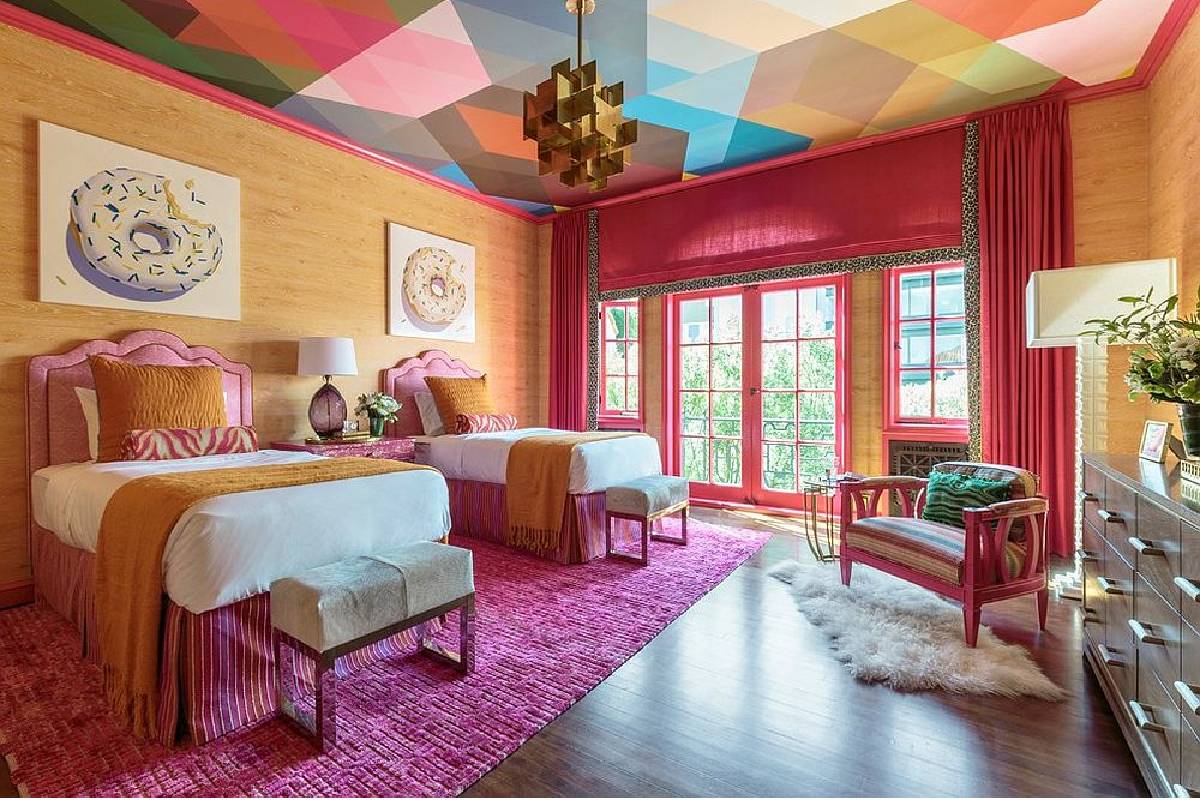
When decorating a room, most people concentrate on the walls, flooring, furniture and lighting. The ceiling, however, is often overlooked. Sometimes called the “fifth wall,” the ceiling can have a surprisingly strong effect on how a room looks and feels.
A well-designed ceiling can make a small room appear taller, introduce colour into an otherwise neutral space, create architectural character or simply make an ordinary room feel more distinctive.
You do not always need an expensive renovation to achieve the effect. A carefully chosen paint colour, wallpaper, beadboard, faux finish or decorative feature can completely change the atmosphere of a room.
If you’re looking for inspiration, here are 10 creative ceiling ideas worth considering for your next home decorating project.
This Article Belongs to Healthy Lifestyle
Table of Contents
1. Match a Grey Ceiling to the Wallpaper
A stately shade of grey can give a dining room a sophisticated and coordinated appearance. One effective approach is to choose a ceiling colour that complements or closely matches the wallpaper used on the walls.
For example, a contemporary dining room can combine large-scale botanical wallpaper with a soft grey ceiling. Rather than treating the ceiling as a separate surface, matching the colours creates a more cohesive design.
Grey is particularly useful because it can feel elegant without being as stark as black. Depending on the shade, it can work with modern, traditional, industrial and transitional interiors.
If you are interested in grey decorating ideas, you can also explore our guide to the dove gray paint for additional inspiration.
Why this idea works
- Creates a coordinated colour scheme
- Gives the ceiling a more intentional appearance
- Works particularly well with patterned wallpaper
- Can make a dining room feel more sophisticated
- Provides an alternative to an ordinary white ceiling
When choosing the shade, consider the natural light in the room. A darker grey can feel dramatic in a bright space, while a softer grey may be more suitable for a room with limited natural light.
2. Create the Illusion of a Higher Ceiling
You do not necessarily need to physically raise a ceiling to make a room feel taller.
In a smaller living room with a standard eight-foot ceiling, combining a darker ceiling colour with lighter walls or wallpaper can create an interesting visual effect. The contrast draws attention upwards and gives the room greater visual depth.
Another useful technique is to continue a wall colour or pattern slightly upward onto the ceiling. This can blur the traditional boundary between the wall and ceiling.
The result can make a compact room feel more open without changing its actual dimensions.
Tips for making a ceiling appear taller
- Use vertical patterns on walls
- Keep furniture relatively low-profile
- Draw attention upwards with lighting
- Avoid visually heavy ceiling fixtures
- Consider extending wall colour onto the ceiling
- Use lighter colours strategically
If you are decorating a room with a low ceiling, think about the entire vertical space rather than treating the ceiling as an isolated surface.
3. Add a Lemon-Yellow Ceiling to a White Room
A completely white room can sometimes feel cold or predictable. One way to introduce personality without repainting every wall is to add colour to the ceiling.
A cheerful lemon-yellow ceiling can bring warmth and energy to a predominantly white kitchen or dining space. The ceiling becomes an unexpected focal point while the white walls and cabinetry keep the room feeling fresh.
Yellow works especially well when the room already contains natural wood, brass, rattan or other warm materials.
How to use a bright ceiling colour
If you are nervous about using a strong colour throughout an entire room, the ceiling provides an excellent opportunity to experiment. You can keep most of the room neutral and use the ceiling as a controlled splash of colour.
For a softer result, choose a muted yellow. For a more dramatic look, a brighter lemon or golden shade can create a stronger contrast.
The key is to repeat small touches of the ceiling colour elsewhere in the room through accessories, artwork or textiles so that the colour feels intentional rather than random.
4. Try an Artificial Stone Ceiling Effect
A ceiling does not have to be completely smooth and plain. A faux stone paint treatment can introduce architectural interest without the weight, expense or installation requirements associated with real stone.
A faux stone finish can work particularly well in dining rooms, kitchens, hallways or rooms designed around a rustic, Mediterranean or traditional aesthetic.
The technique involves creating the visual appearance of stone using paint, texture and carefully selected colours.
Consider these factors first
A faux finish can be visually busy, so it is usually best balanced with simpler walls and furnishings. If your wallpaper, furniture and flooring already contain strong patterns, a subtle ceiling treatment may be more appropriate.
You should also consider how the finish will look under artificial lighting. Shadows and highlights can make textured or painted ceilings appear different throughout the day.
For homeowners interested in other unusual home-related ideas, our article on www.rapidhomedirect.com offers another example of the type of home topic worth exploring before making a decorating decision.
5. Install a Beadboard Ceiling in a Vintage-Inspired Kitchen
White kitchens have remained popular for years because they can feel clean, bright and timeless. However, an entirely white kitchen can sometimes lack texture.
A beadboard ceiling is one way to introduce character without dramatically changing the colour palette.
Beadboard consists of narrow wooden panels with repeated grooves. It can give a room a traditional or cottage-inspired appearance and works particularly well in kitchens, bathrooms, porches and dining spaces.
Painting the beadboard a pale blue can add another layer of interest. The soft colour contrasts with white cabinetry while maintaining a calm atmosphere.
Why beadboard is popular
- Adds architectural texture
- Works with traditional interiors
- Can complement white cabinetry
- Introduces subtle visual detail
- Suits cottage and coastal-inspired rooms
The colour does not have to be blue. Soft green, cream, grey and even warm neutral tones can work depending on the rest of the room.
6. Use a Striking Teal Ceiling
A neutral room provides an excellent canvas for a bold ceiling colour.
A Scandinavian-inspired living room filled with neutral furniture, natural materials and simple décor can benefit from a striking teal ceiling. The strong colour creates contrast while the restrained furniture prevents the room from becoming overwhelming.
Teal can be particularly effective when combined with white walls and natural wood.
For an authentic painted beadboard appearance, consider a deep teal shade such as Vardo by Farrow & Ball. You can explore the manufacturer’s colour range through Farrow & Ball.
Balance is important
A bold ceiling does not necessarily need to be repeated across the room. Instead, use smaller accessories that complement the ceiling colour.
For example:
- Teal cushions
- Decorative ceramics
- Artwork
- Small accent pieces
- Patterned curtains
This creates visual connections without making the entire room teal.
7. Hang Plants From the Ceiling
Ceilings can also become functional spaces rather than simply decorative surfaces.
Hanging plants from the ceiling is a creative way to bring greenery into rooms where floor space is limited. This can work particularly well in living rooms, kitchens, bedrooms and covered outdoor areas.
Trailing plants can create a softer, more organic appearance, especially when positioned near windows where they receive appropriate light.
Before installing hanging planters, however, make sure the fixing method is suitable for the ceiling structure and the weight of the planter. Water and soil can make containers considerably heavier than they initially appear.
For more inspiration, take a look at our guide to hanging plants from the ceiling.
Ceiling plants can help with:
- Adding greenery to small rooms
- Making use of unused vertical space
- Creating a natural focal point
- Introducing texture
- Adding personality to neutral interiors
Always choose plants according to the available light and the amount of maintenance you are prepared to provide.
8. Combine the Ceiling With Seasonal Decorations
Your ceiling can become part of your seasonal decorating scheme too.
During Christmas, for example, decorative branches, greenery, ribbons, hanging ornaments and other lightweight decorations can be suspended from suitable ceiling points.
The important thing is to avoid overcrowding. A few carefully positioned decorations can look much more sophisticated than covering every available surface.
You can find more inspiration by exploring our guide to Christmas decoration ideas.
Make seasonal ceiling decorations safer
Always check the weight of anything you plan to hang. Use appropriate hooks and fixings, and never attach heavy decorations to a surface that cannot safely support them.
Keep decorations away from hot light fittings and other heat sources. If you are using electrical lighting, follow the manufacturer’s safety instructions.
9. Use Wreaths and Hanging Decorative Features
Wreaths are traditionally associated with doors and walls, but they can also become part of a creative ceiling display.
A lightweight wreath suspended above a dining table, kitchen island or entryway can create a simple focal point. Several smaller wreaths arranged at different heights can create a more dramatic installation.
This idea works especially well for seasonal decorating, weddings, parties or special occasions.
If you want to understand more about different wreath styles and decorating possibilities, see our guide about wreaths.
Creating a balanced arrangement
When hanging multiple decorative objects, consider:
- The height of each piece
- The size of the room
- The position of furniture below
- Sightlines through the room
- The visual weight of each object
The arrangement should enhance the room rather than make the ceiling feel cluttered.
10. Bring Indoor Plants and Natural Elements Into the Room
Another way to make a ceiling more interesting is to combine it with the natural theme of the room.
Indoor plants can provide colour, texture and movement. If your room already has wooden furniture, natural fabrics and neutral colours, greenery can strengthen that organic aesthetic.
Plants with flowers can introduce additional colour without requiring a permanent change to the ceiling itself.
If you enjoy decorating with plants, our guide to indoor flowering plants can help you explore suitable options.
Think beyond paint
A beautiful ceiling does not always require an unusual paint colour. Natural elements can create just as much visual interest.
Consider combining:
- Wooden ceiling details
- Hanging plants
- Natural fibre decorations
- Woven pendant lights
- Decorative branches
- Soft textiles
The goal is to create layers while keeping the room visually balanced.
Other Home Ideas Worth Exploring
Ceiling design is only one part of creating a comfortable and attractive home. Other elements, such as furniture, paint, storage and even the condition of household items, can affect the overall appearance.
For example, outdoor furniture can influence how an adjoining indoor-outdoor space feels. If you are considering new pieces for a patio, balcony or garden, our article on Sunhaven outdoor furniture provides another home-design topic to explore.
Likewise, understanding whether a particular home website or service is trustworthy is important before making a purchase. You can read our guide Is www.rapidhomedirect.com legit? for more information.
Even small maintenance tasks can contribute to a home’s overall appearance. If you’re working on outdoor or metal items, our guide to bike rust covers another practical household maintenance topic.
For broader home inspiration, you can also explore Home Hearted.
How to Choose the Right Ceiling Idea
With so many possibilities, choosing a ceiling treatment can feel overwhelming. Start by considering the room itself.
Consider the ceiling height
Low ceilings generally benefit from designs that avoid excessive visual weight. Light colours, subtle patterns and carefully positioned lighting can help maintain an open feeling.
Higher ceilings give you more freedom to experiment with dark colours, dramatic patterns and architectural details.
Consider natural light
A dark ceiling can look sophisticated in a room with plenty of daylight. In a darker room, however, the same colour may make the space feel smaller.
Observe the room at different times of the day before committing to a colour.
Consider the existing décor
Your ceiling should work with the rest of the room. If your walls already feature a strong pattern, a simpler ceiling may provide balance.
Conversely, a plain room can often handle a more dramatic ceiling.
Consider maintenance
Some ceiling treatments require more upkeep than others. Painted surfaces may be relatively easy to refresh, while intricate decorative installations can require more cleaning and maintenance.
Think about how the room is used before choosing a design.
Final Thoughts
The ceiling is one of the largest uninterrupted surfaces in any room, yet it is frequently ignored when decorating. A thoughtful ceiling treatment can completely change the atmosphere of a space without requiring a major structural renovation.
From a sophisticated grey ceiling that complements wallpaper to a cheerful yellow ceiling, textured beadboard, faux stone finishes and bold teal paint, there are plenty of ways to make the fifth wall more interesting.
You can also think beyond paint by introducing hanging plants, seasonal decorations, wreaths and other natural elements.
The best ceiling idea is ultimately one that works with your room’s height, lighting, colour palette, furniture and overall style. Start with one feature you genuinely like and build the rest of the room around it.